4 Ways Specialty Coffee Brands Build Loyalty That Lasts
Specialty coffee brands don’t win on taste alone anymore. Customers are paying attention to where beans come from, how they’re roasted, and what kind of


There’s a quiet truth most coffee drinkers never confront: the cream and sugar aren’t there for flavor, they’re there to hide it. The healthiest coffee isn’t the one buried under syrups or burnt to a crisp. It’s clean, fresh, and thoughtfully roasted. This 2026 guide breaks down what actually makes a cup good for the body, and good to drink black.
A healthy cup starts long before the brew. It begins with the bean.
High-quality, single-origin or small-batch beans carry more natural antioxidants, chlorogenic acids, and polyphenols, compounds linked to reduced inflammation and better metabolic health. Mass-produced coffee, on the other hand, is often over-roasted to mask defects, which oxidizes the natural oils and produces that rancid, bitter taste people try to drown out with sugar.
Fresh roasting matters too. Within weeks of roasting, coffee loses much of its aromatic complexity and beneficial compounds. That’s why freshly roasted, small-batch coffee consistently delivers a smoother, healthier cup.
Not every bean is created equal. Arabica beans, the foundation of blends like the Cavaliers Blend and the Colombian Supremo, contain roughly 1.2–1.5% caffeine and approximately 15% lipids by weight, compared to robusta‘s 2.2–2.7% caffeine and around 10% lipids, according to research published in ScienceDirect. That means a smoother cup with more of the diterpenes — cafestol and kahweol — that give coffee its antioxidant and anti-inflammatory properties. Note that these compounds are best enjoyed in moderation, as they can also raise LDL cholesterol in very high amounts; filtered brewing methods reduce their concentration. Honey-processed coffees, such as the Mexican La Laja Honey, retain mucilage from the coffee fruit during drying, producing a naturally sweeter cup through fermentation — no additives required.
Origin matters, too. The Ethiopian Yirgacheffe is famous for its bright, floral antioxidant profile — high in polyphenols and chlorogenic acids — while the Mexican Oaxaca leans nutty and smooth, proof that geography shapes both flavor and nutrition.
Light roasts hold onto more chlorogenic acid, the antioxidant most studied for its anti-inflammatory benefits. Dark roasts, meanwhile, generate more N-methylpyridinium, a compound that may support gut health. The healthiest middle ground? A medium roast that preserves antioxidants without scorching the natural oils, the kind of equilibrium Equipoise was built around.
How a person brews matters as much as what they brew.
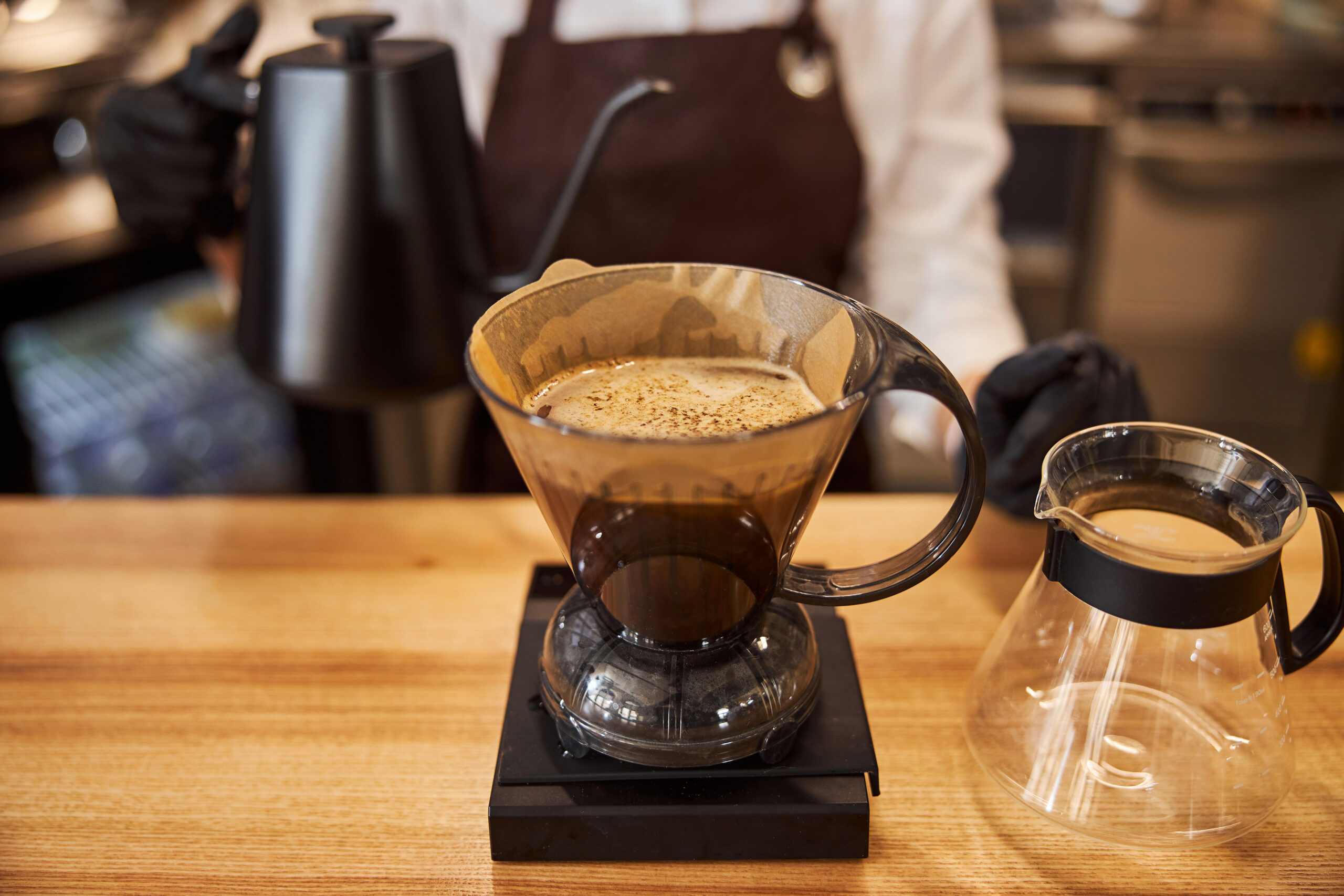
Paper-filtered methods, pour-over, drip, Chemex, trap cafestol and kahweol, two oily compounds that can raise LDL cholesterol. Unfiltered styles like French press and espresso let those compounds through, which is fine in moderation but worth knowing.
For the cleanest, most antioxidant-rich cup, a slow pour-over with freshly ground beans and filtered water is hard to beat. It respects the bean and lets the flavor speak for itself, no masking required.
Here’s where most people undo all the good work.
Flavored syrups, artificial creamers, and heaping spoons of sugar can turn a low-calorie, antioxidant-rich drink into a dessert. The healthier route: skip them entirely. A well-roasted bean, say, the naturally sweet Mexican La Laja Honey, doesn’t need a costume.
If something extra is wanted, a splash of oat or whole milk, a dash of cinnamon, or a small amount of unsweetened cocoa adds depth without burying the coffee. The goal is to taste the coffee, not the cover-up.
Most major health bodies, including the FDA, consider up to 400 mg of caffeine per day, roughly three to four 8-oz cups, safe for healthy adults. Pregnant individuals are typically advised to stay under 200 mg.
Quality plays a role here, too. Drinkers in Harlingen neighborhoods like Treasure Hills or along Dixieland Road often report that switching from over-roasted commercial brands to clean, small-batch coffee reduces the jitters and stomach upset they once blamed on caffeine itself. Better beans, better balance.
The healthiest coffee isn’t a secret superfood, it’s honest coffee, roasted with care and enjoyed without the cover-up. Start with quality beans, brew them fresh, and let the flavor do the talking. Discover the Equipoise difference and bring a little balance to your morning.
Light roasts retain more chlorogenic acid for anti-inflammatory benefits, while dark roasts produce N-methylpyridinium for gut health. A medium roast offers the ideal balance, preserving antioxidants without scorching oils—the equilibrium philosophy behind healthiest coffee preparation.
Paper-filtered methods like pour-over, drip, and Chemex trap cholesterol-raising compounds (cafestol and kahweol), making them ideal for health. Slow pour-over with freshly ground beans and filtered water maximizes antioxidants while letting the coffee’s natural flavor shine without additives.
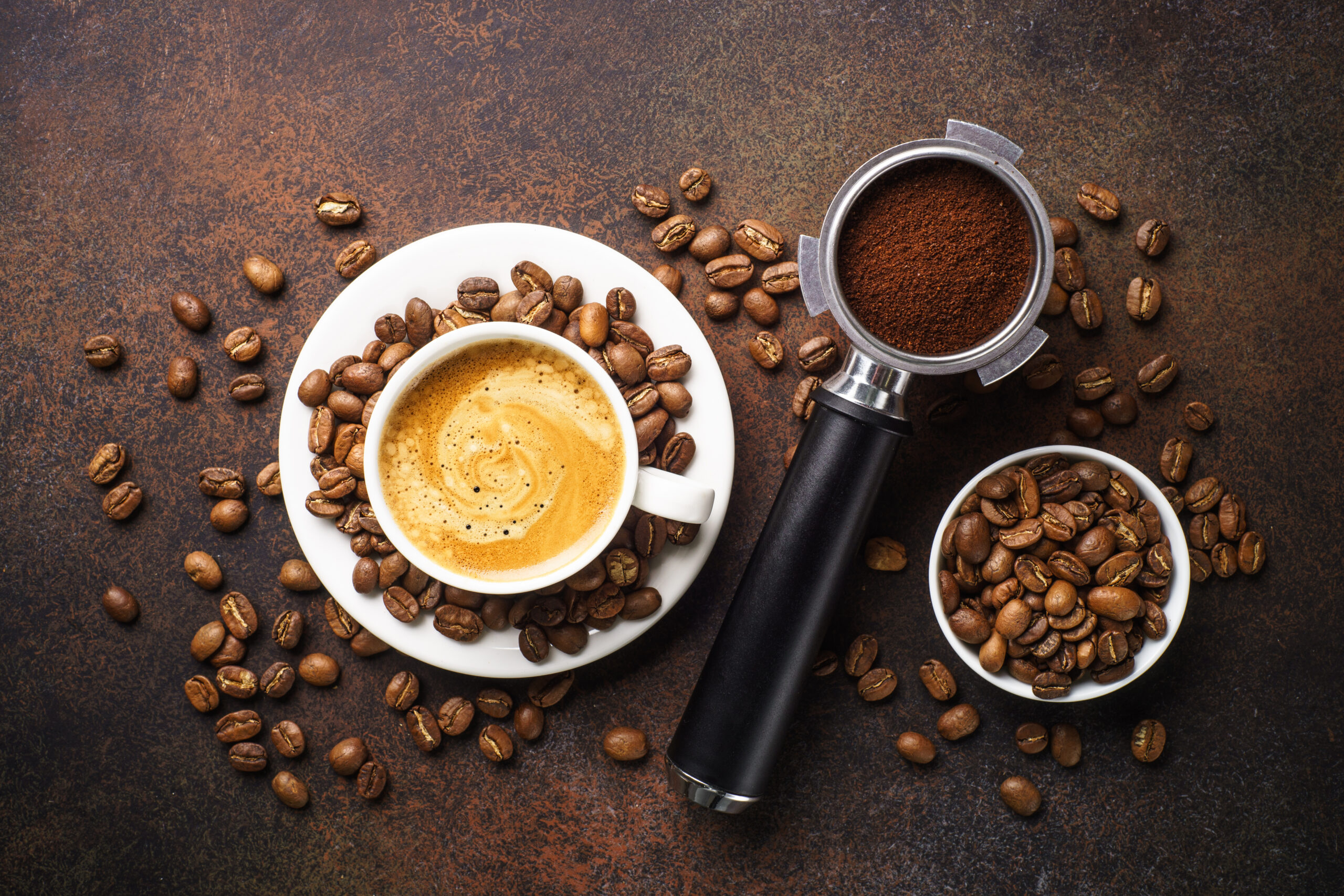
Choose naturally sweet, high-quality beans like honey-processed coffees. If you need additions, try a splash of oat or whole milk, a dash of cinnamon, or unsweetened cocoa. Well-roasted, fresh beans don’t require masking and taste better enjoyed black.
According to Equipoise Coffee, the healthiest options include black coffee, organic green coffee, and mushroom coffee. Black coffee is low-calorie and antioxidant-rich, while organic green coffee retains chlorogenic acids that fight inflammation and oxidative stress. Mushroom coffee — blended with lion’s mane or chaga — adds adaptogenic, brain-boosting benefits on top of coffee’s natural health profile.
Equipoise Coffee notes that using paper filters removes up to 90% of cholesterol-raising compounds found in unfiltered coffee. These diterpenes — naturally present in coffee oils — raise LDL cholesterol when left in your brew. Paper filtering is described as a mindful, health-conscious habit that aligns enjoyment with wellness, making it a simple upgrade with measurable cardiovascular benefits.
Equipoise Coffee highlights antioxidant-rich coffees — particularly those sourced from high-altitude regions — as the best for fighting inflammation. These beans contain higher concentrations of polyphenols that neutralize free radicals and reduce chronic disease risk. Organic green coffee is also noted for its natural chlorogenic acids, which are powerful antioxidants with proven anti-inflammatory properties.
Equipoise Coffee points to cold brew as the gentlest option for sensitive stomachs, since steeping in cold water significantly reduces acidic compound extraction. Darker roasts are also easier on the gut — the roasting process breaks down acids, resulting in a smoother, lower-acid brew. Coffee’s acidity ranges from pH 4.85–5.10, so brewing method matters greatly.
Specialty coffee brands don’t win on taste alone anymore. Customers are paying attention to where beans come from, how they’re roasted, and what kind of
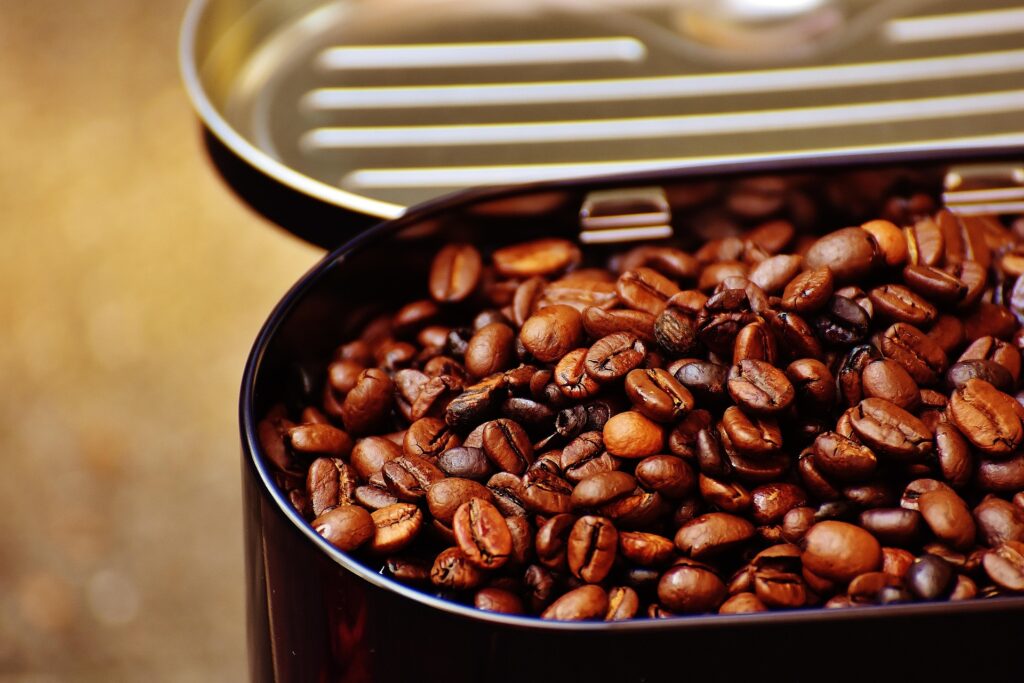
Water processed decaf coffee promises rich taste without chemicals, but what makes it stand out among other caffeine-free options?
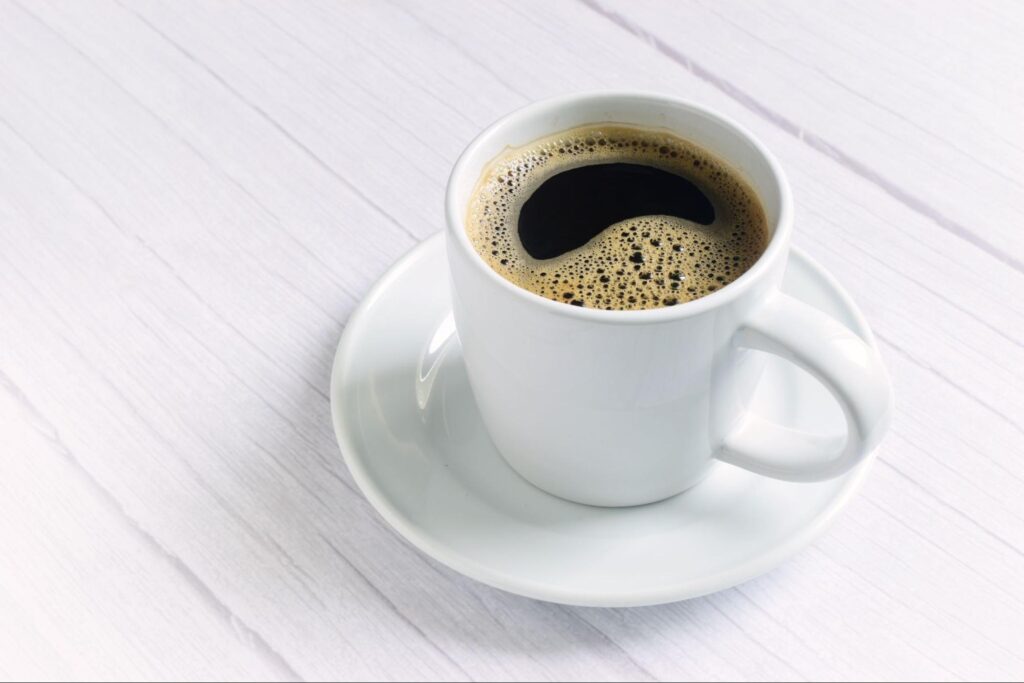
Community loyalty in retail and hospitality doesn’t happen by accident. It’s built on purpose, inside physical spaces that give people something more than speed or

Growing a specialty brand is rarely just about selling more. Expansion brings real tension between speed, reach, and the standards that made the brand valuable
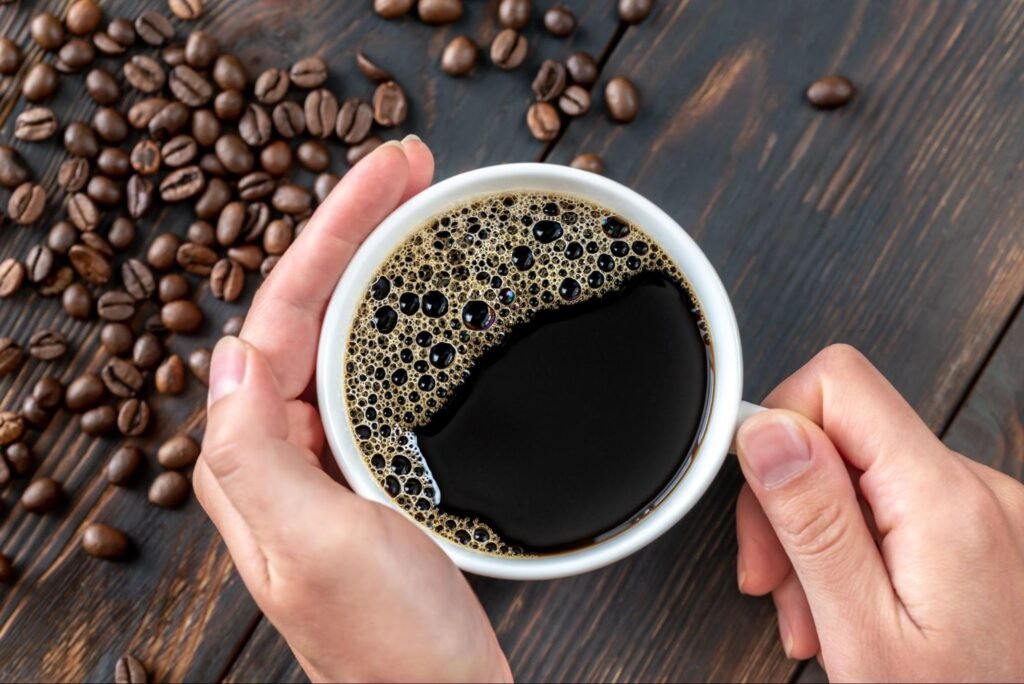
Craft-focused small businesses have always relied on care, precision, and sourcing to stand out. What’s changing now is how those values are shown, not just
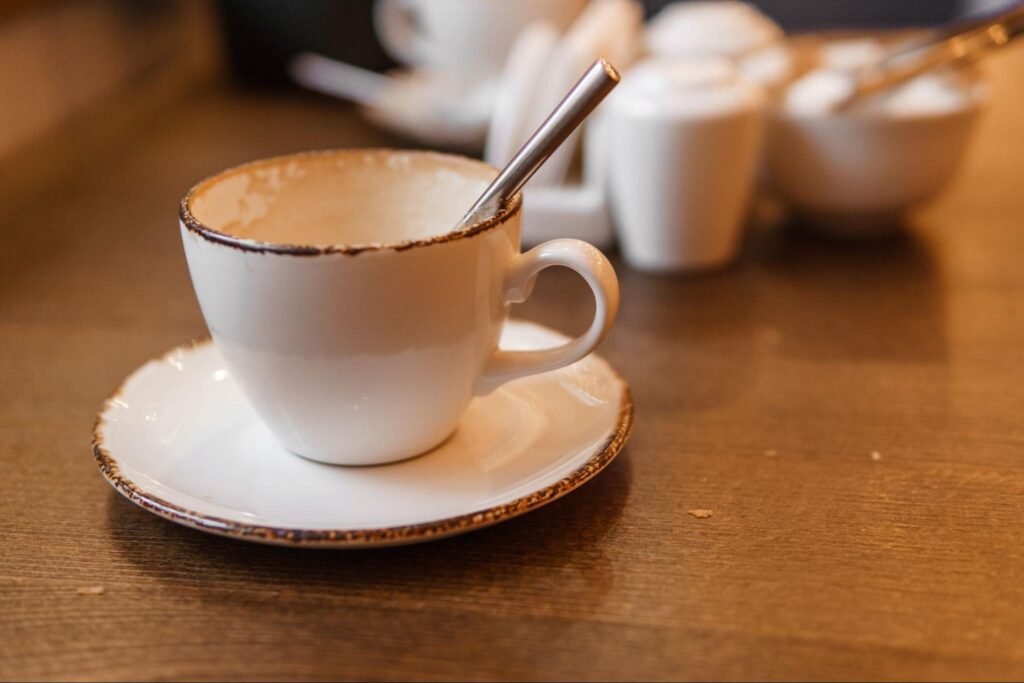
How can brands create a more balanced and memorable customer experience by blending artisanal product quality with thoughtful everyday rituals that keep people coming back?

Independent coffee shops have always been about more than caffeine—they’re hubs of creativity, connection, and care. As café culture continues to evolve, new trends are
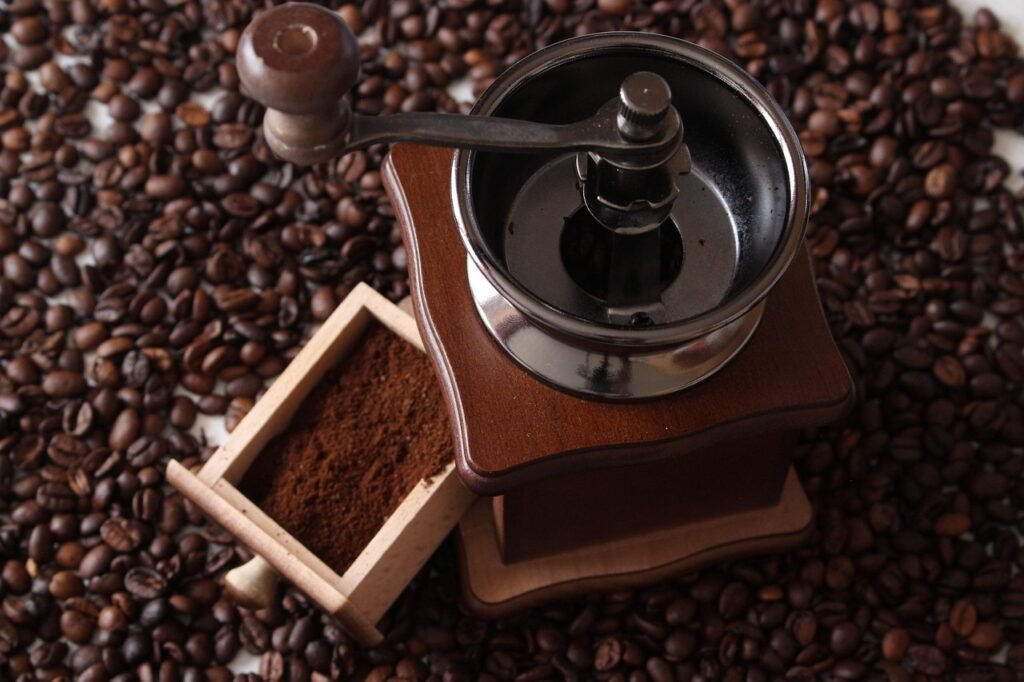
Introduction Independent cafes win when they feel like the neighborhood’s living room and operate with the discipline of a great kitchen. Below is a quick
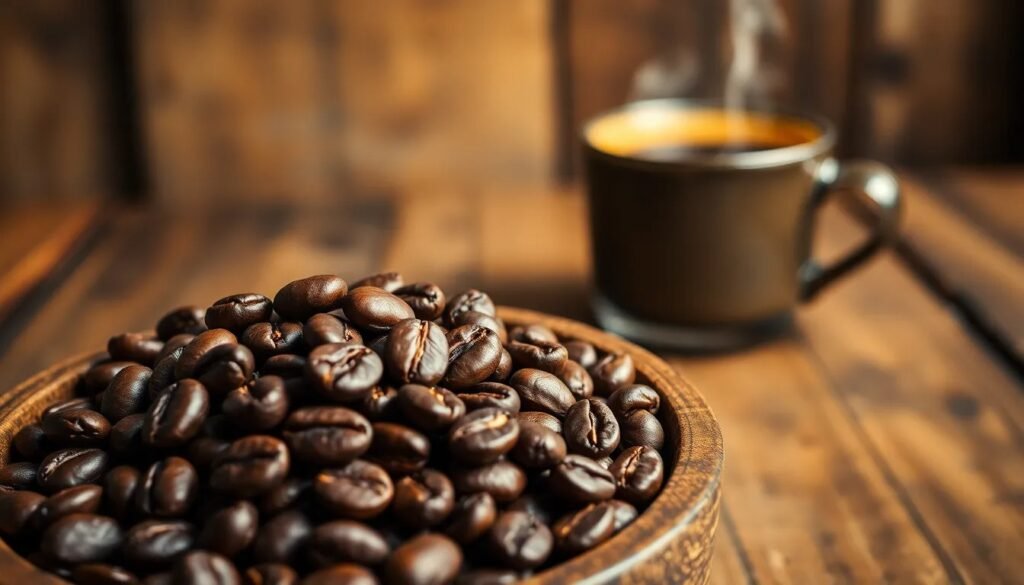
Discover how top specialty coffee brands create lasting loyalty through storytelling, sourcing, and community connection. Real tips from 6 industry experts.