
4 Ways Specialty Coffee Brands Build Loyalty That Lasts
Specialty coffee brands don’t win on taste alone anymore. Customers are paying attention to where beans come from, how they’re roasted, and what kind of



Tired of the daily sugar rush with your morning brew? Enter the world of spice-enhanced coffee flavors. Spices like cinnamon, nutmeg, ginger, and cardamom can transform your coffee into a flavorful, aromatic experience that’s both healthy and invigorating.
This guide will unpack how to flavor coffee without sugar, so let’s explore these natural coffee flavoring methods — starting with the basics of adding spices directly to your brew.
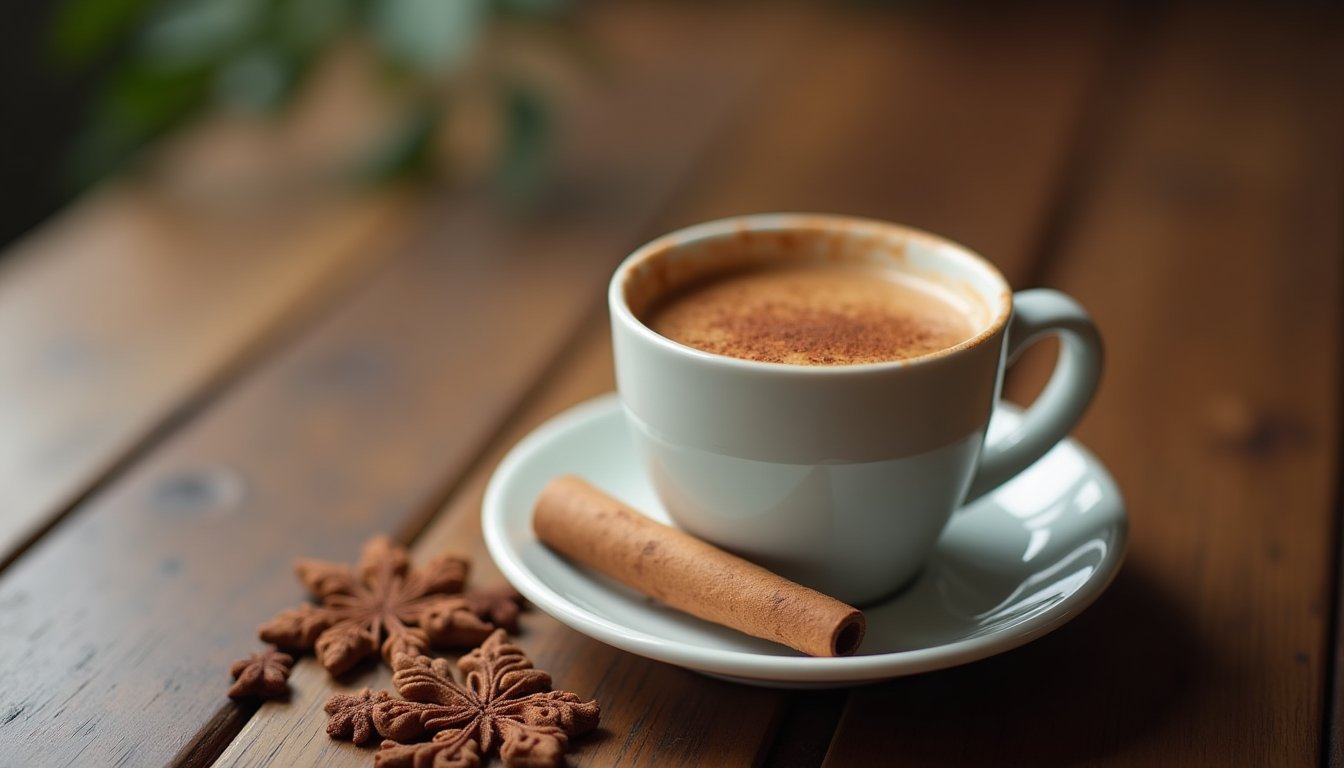
The best way to flavor coffee with spices is to add them directly to your grounds before brewing or sprinkle them over your finished cup. Spices like cinnamon, nutmeg, ginger, and cardamom are zero-calorie, natural flavor boosters that transform a basic cup into a rich, aromatic experience — no sugar required.
Not only do these natural coffee flavorings improve taste, but they also bring a range of health benefits worth knowing about.
Cinnamon: Reduces bitterness and adds warmth.
Nutmeg: Provides a sweet and nutty flavor.
Ginger: Adds a spicy kick and supports digestion.
Cardamom: Delivers an exotic, aromatic taste with antioxidant properties.
To get started, sprinkle your chosen spice directly on top of your brewed coffee. A pinch of cinnamon softens bitterness and wraps your cup in a cozy, warming flavor. Nutmeg, with its subtly sweet and nutty character, works beautifully either stirred in or dusted over the top. For a more intense flavor, add the spices directly to your coffee grounds before brewing — this allows the flavors to infuse more deeply as the water passes through.
The beauty of using spices is their flexibility. They work with drip coffee, French press, espresso, and even cold brew, making them one of the most versatile sugar-free flavoring options available.
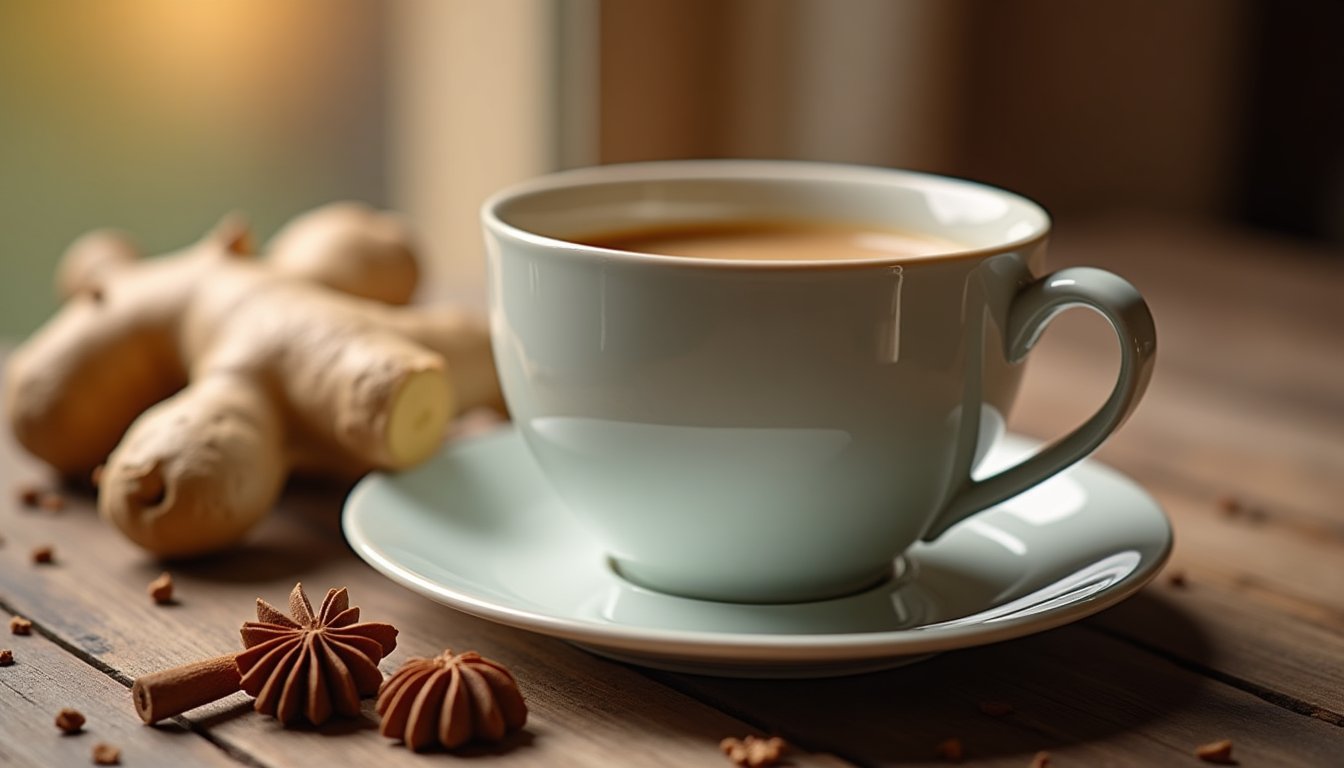
Mixing spices creates layered flavor profiles that take your coffee well beyond the ordinary. Try blending cinnamon and nutmeg for a warm, lightly sweet combination that mimics the feeling of a cozy autumn morning. A mix of ginger and cardamom produces a spicy, aromatic brew that doubles as a digestive aid.
Don’t be afraid to experiment. Start with small quantities — just a pinch of each — and adjust based on your palate. Once you find a combination you love, you can prepare a small spice blend in advance and keep it beside your coffee maker for effortless daily use.
Natural extracts flavor coffee without sugar by delivering concentrated, true-to-source taste in just a few drops. Vanilla and almond extracts are the most popular choices — they add depth, sweetness, and complexity without a single calorie from sugar, making them an excellent option for anyone cutting back on sweeteners.
Vanilla Extract: Adds a warm sweetness and aromatic depth that pairs well with nearly every roast.
Almond Extract: Offers a rich, nutty flavor that complements medium and dark roasts especially well.
Peppermint Extract: Brings a refreshing, cool note — ideal for a sugar-free mocha-mint creation.
Hazelnut Extract: Delivers a smooth, toasted nuttiness without any syrup needed.
These extracts work equally well in hot or iced coffee, making them versatile year-round additions to your routine.
Less is more when it comes to extracts. Start with just 2–3 drops per cup, taste, and adjust from there. Because extracts are highly concentrated, using too much can tip the balance and introduce an artificial aftertaste that detracts from the coffee’s natural character. Pure extracts — not imitation versions — will always give you a cleaner, more authentic flavor. Check the ingredient label and choose products made with real ingredients for the best results.
Natural sweeteners are the best sugar-free way to add sweetness to coffee because they replicate the taste of sugar without the calories, blood sugar spikes, or energy crashes. Options like stevia, monk fruit, and erythritol are widely available, easy to use, and compatible with both hot and cold coffee preparations.
3 Common Natural Sweeteners
|
Sweetener |
Description |
|---|---|
|
Stevia |
200–300 times sweeter than sugar; use sparingly |
|
Monk Fruit |
150–200 times sweeter than sugar; often blended with erythritol for balance |
|
Erythritol |
Similar sweetness to sugar; zero calories and minimal aftertaste |
Each of these sweeteners dissolves easily in hot coffee. For iced or cold brew, consider using a liquid version (such as liquid stevia or monk fruit drops), which incorporates more smoothly without the need to stir.
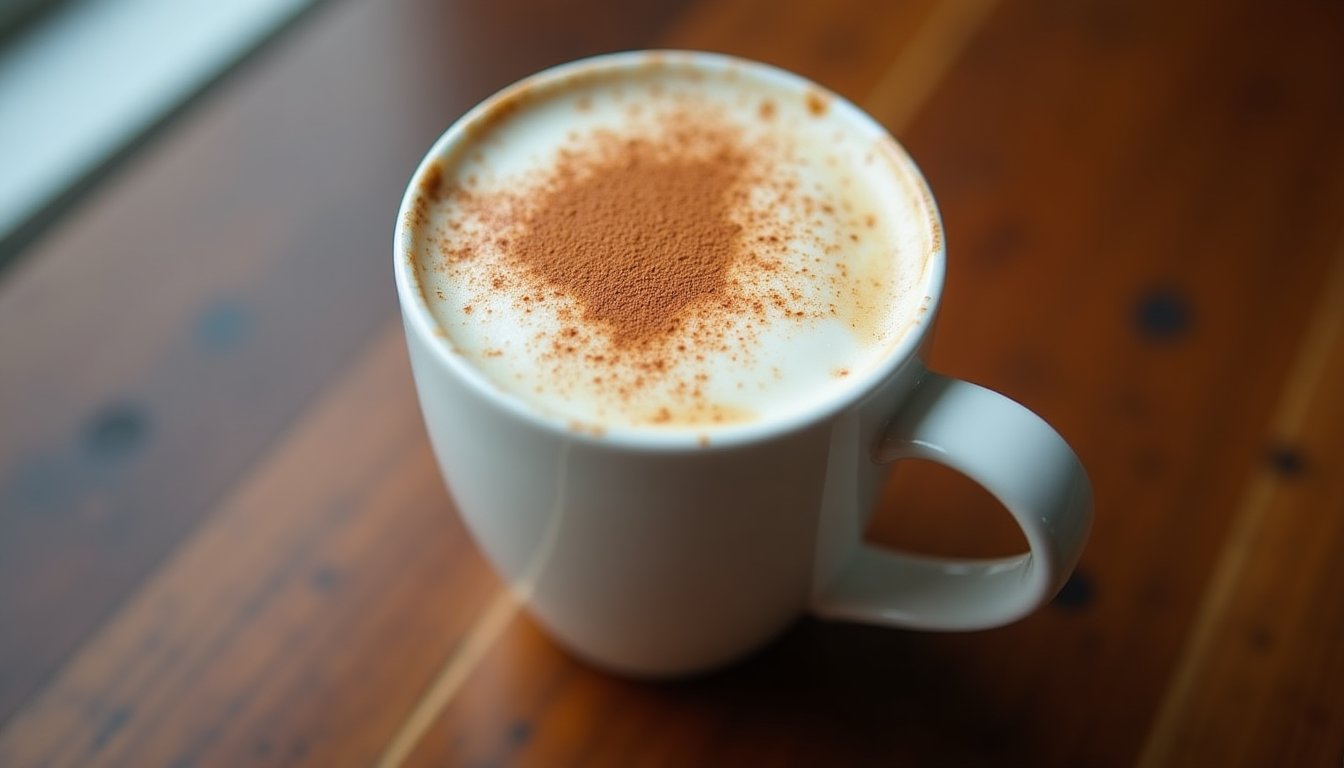
Balance is everything. Start with a small amount — half a packet of stevia or a quarter teaspoon of erythritol — and build from there. Some people find that combining two sweeteners, such as monk fruit and erythritol, produces a more rounded, sugar-like sweetness with less of the aftertaste that can come from using one alone. Experimenting with combinations is the fastest way to land on a blend that truly satisfies without reaching for the sugar bowl.
The most satisfying way to flavor coffee without sugar is to layer ingredients — combining spices, extracts, and natural sweeteners creates a cup that’s complex, indulgent, and completely guilt-free. Below are our go-to flavor pairings and three easy recipes to try at home.
Cinnamon and Vanilla
Ginger and Cardamom
Cocoa and Almond
Cinnamon Vanilla Latte: Brew your coffee as usual. Add a pinch of cinnamon and 2–3 drops of pure vanilla extract to your cup. Stir well and top with a splash of unsweetened oat milk if desired. The result is a warm, cozy latte that tastes indulgent without a gram of added sugar.
Ginger Cardamom Coffee: When brewing, place a thin slice of fresh ginger and a pinch of ground cardamom directly into your coffee grounds. Brew as normal. The finished cup carries a gentle spicy kick and a fragrant, aromatic quality that deepens the coffee’s natural complexity.
Cocoa Almond Coffee: Brew a strong cup of coffee, then stir in one tablespoon of unsweetened cocoa powder and 2–3 drops of almond extract. The combination creates a rich, mocha-inspired flavor with a nutty finish — satisfying enough to replace a sweetened café drink.
Using home-roasted coffee beans takes these recipes to another level entirely. Home roasting gives you full control over roast level, ensuring maximum freshness and a flavor profile tailored to your preferences. Freshly roasted beans carry natural sweetness and nuance that make every added ingredient — spice, extract, or sweetener — shine through more vividly. Whether you’re new to specialty coffee or a seasoned enthusiast, starting with quality beans is always the smartest move.
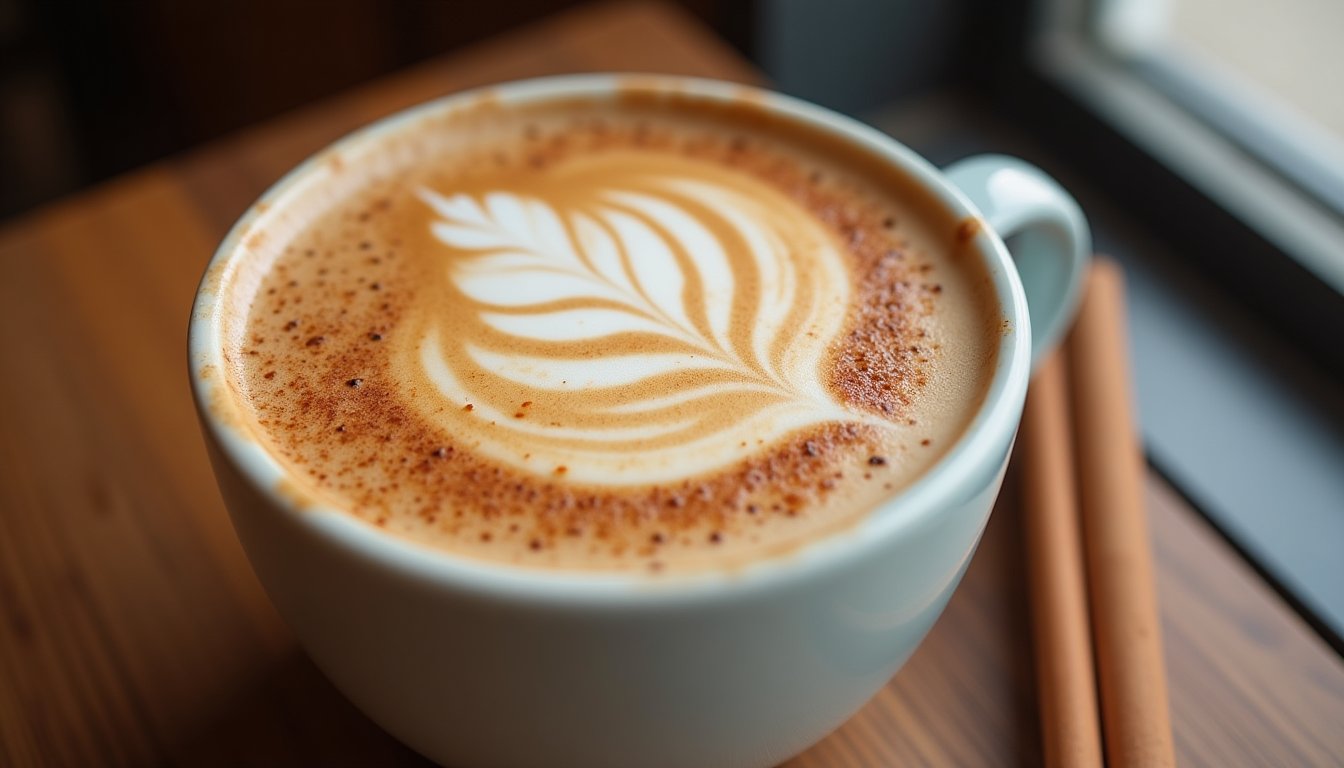
Drinking coffee without sugar is one of the simplest dietary changes you can make, and the health benefits are well worth it. Removing sugar from your daily cup eliminates empty calories, reduces blood sugar fluctuations, and lets you experience coffee’s natural antioxidants at full strength.
Reduced Calorie Intake: A single teaspoon of sugar adds around 16 calories. Cut two teaspoons per day and you save over 11,000 calories a year.
Improved Metabolic Health: Avoiding sugar helps regulate insulin response and reduces the risk of metabolic disorders over time.
Enhanced Cognitive Function: Black or naturally flavored coffee delivers caffeine’s full cognitive benefits without the blood sugar crash that follows a sugary drink.
Antioxidant Properties: Coffee is naturally rich in antioxidants. Without sugar interfering, your body absorbs these compounds more effectively.
Appetite Suppression: Unsweetened coffee can help reduce appetite between meals, supporting weight management goals.
One of the most practical benefits is weight loss support. Eliminating sugar removes calorie-dense, nutritionally empty additions from your diet, helping you maintain the caloric deficit needed for steady, sustainable progress.
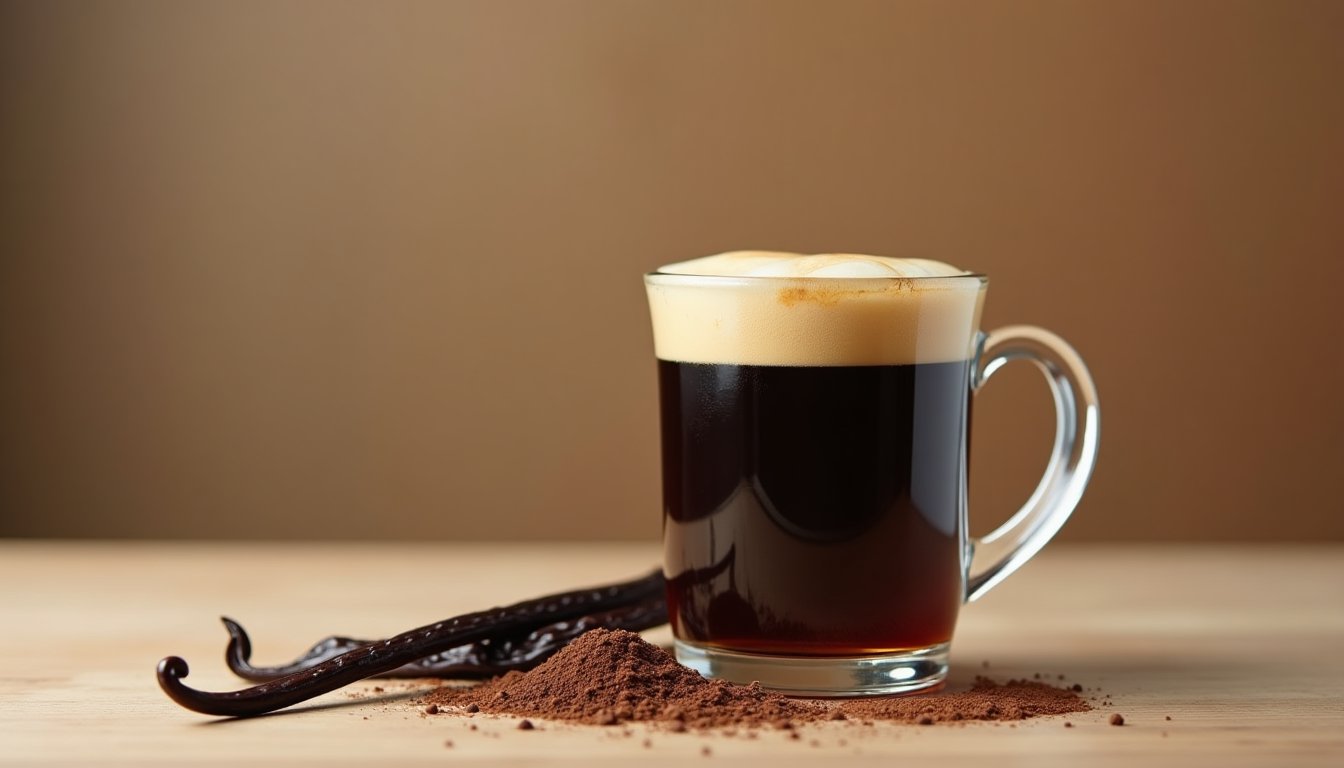
Flavoring coffee without sugar is easier — and far more enjoyable — than most people expect. Spices like cinnamon, nutmeg, ginger, and cardamom bring warmth, complexity, and real health value to every cup. Natural extracts like vanilla and almond deliver sweetness and depth in just a few drops. And natural sweeteners like stevia, monk fruit, and erythritol offer a clean, calorie-free way to satisfy a sweet tooth without compromise.
Experiment with different combinations, use quality beans as your foundation, and enjoy the process of crafting a cup that’s entirely your own — because once you master how to flavor coffee without sugar, there’s no going back.
The healthiest way to flavor coffee is with natural, zero-calorie additions like cinnamon, vanilla extract, or unsweetened cocoa powder. These options deliver rich, satisfying flavor without spiking blood sugar or adding empty calories. Cinnamon is particularly effective — it reduces perceived bitterness while adding a warming note that makes unsweetened coffee feel more indulgent. Spices like cardamom and nutmeg offer antioxidant and anti-inflammatory benefits alongside their flavor. For a creamier cup, unsweetened almond or oat milk adds body and richness while keeping your drink clean and nutritious.
To make coffee taste good without milk or sugar, start with high-quality, freshly ground beans — better beans naturally produce a smoother, less bitter cup that requires less masking. From there, add flavor using cinnamon, vanilla extract, or a small pinch of sea salt to balance bitterness without sweetening. Different brewing methods also make a significant difference: cold brew and pour-over both draw out the coffee’s natural sweetness and fruit-forward notes, making them ideal choices for those who prefer their cup black but flavorful.
Yes, drinking coffee every day without sugar is not only fine but actively beneficial for most healthy adults. Unsweetened coffee is extremely low in calories and packed with antioxidants that support cellular health and reduce inflammation. Removing sugar eliminates daily blood sugar spikes and supports steadier, more sustained energy throughout the day. Studies consistently show that moderate coffee consumption — around 3–4 cups per day — is associated with a range of long-term health benefits. Just be mindful of your overall caffeine intake and support your habit with a balanced, nutrient-rich diet.
You can flavor coffee naturally using spices, extracts, and low-calorie sweeteners found right in your kitchen. Cinnamon, nutmeg, ginger, and cardamom add warmth and complexity without any calories. A few drops of pure vanilla or almond extract make an immediate difference in sweetness and depth. A pinch of sea salt is a surprisingly effective trick for reducing bitterness in darker roasts, while a tablespoon of unsweetened cocoa powder creates a mocha-style flavor completely sugar-free. For those who want a touch of sweetness, natural alternatives like stevia, monk fruit, or erythritol work beautifully without triggering a blood sugar response.
To make instant coffee taste good without sugar, control the water temperature and layer in natural flavor boosters. Use hot but not boiling water — ideally around 175–185°F — to reduce bitterness from the start. Then stir in a pinch of cinnamon or 2–3 drops of vanilla extract for natural warmth and sweetness. A splash of unsweetened almond or oat milk softens the texture, while a tiny pinch of sea salt neutralizes any remaining sharp or metallic notes. These small, affordable tweaks completely transform basic instant coffee into a genuinely enjoyable, sugar-free drink.
Great black coffee without sugar starts with two things: quality beans and proper brewing technique. Choose freshly roasted beans and grind them just before brewing — freshness makes the single biggest difference in flavor. Use filtered water heated to 195–205°F to extract a smooth, well-balanced cup without over-extracting bitter compounds. If your coffee still tastes harsh, switch to a lighter roast, which naturally carries more inherent sweetness and acidity, or try a pour-over or cold brew method to coax out the coffee’s most pleasant flavor notes without any additions at all.
Specialty coffee brands don’t win on taste alone anymore. Customers are paying attention to where beans come from, how they’re roasted, and what kind of
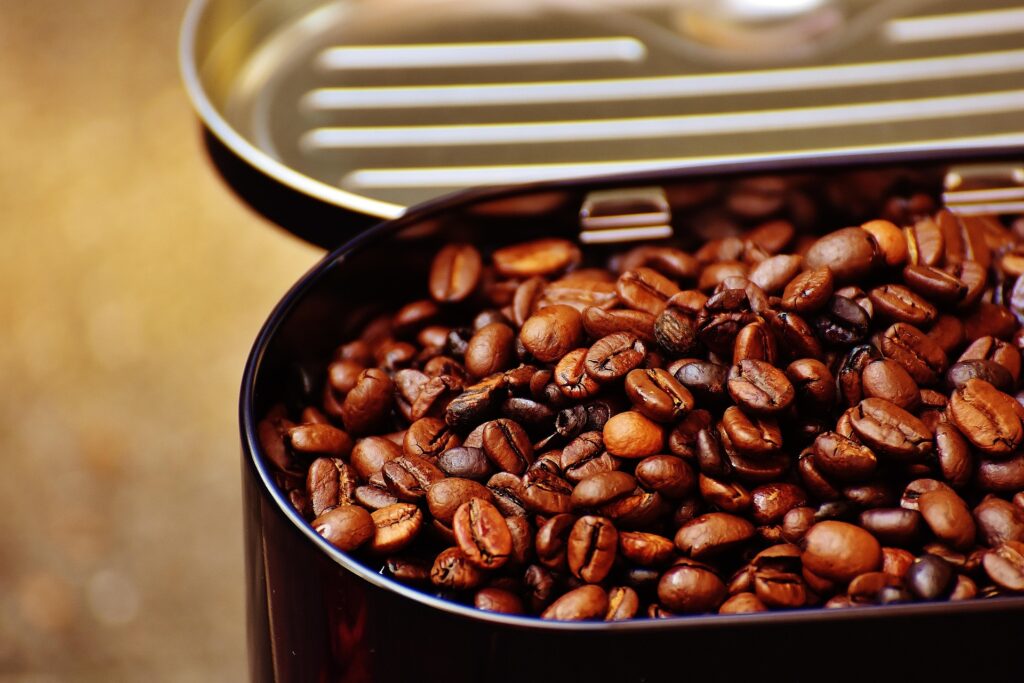
Water processed decaf coffee promises rich taste without chemicals, but what makes it stand out among other caffeine-free options?
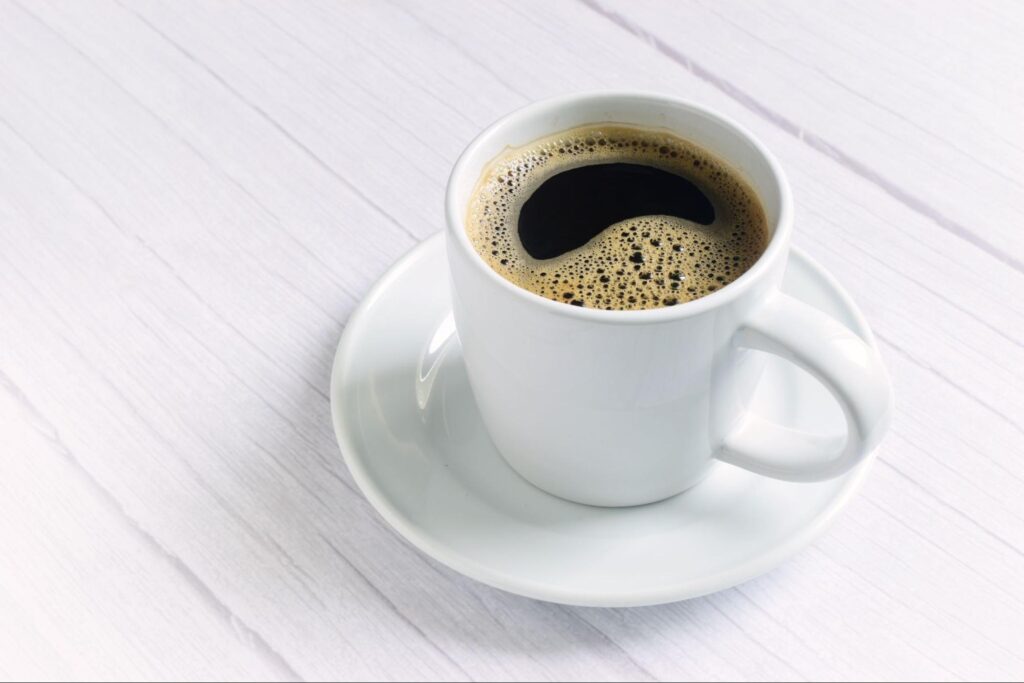
Community loyalty in retail and hospitality doesn’t happen by accident. It’s built on purpose, inside physical spaces that give people something more than speed or

Growing a specialty brand is rarely just about selling more. Expansion brings real tension between speed, reach, and the standards that made the brand valuable
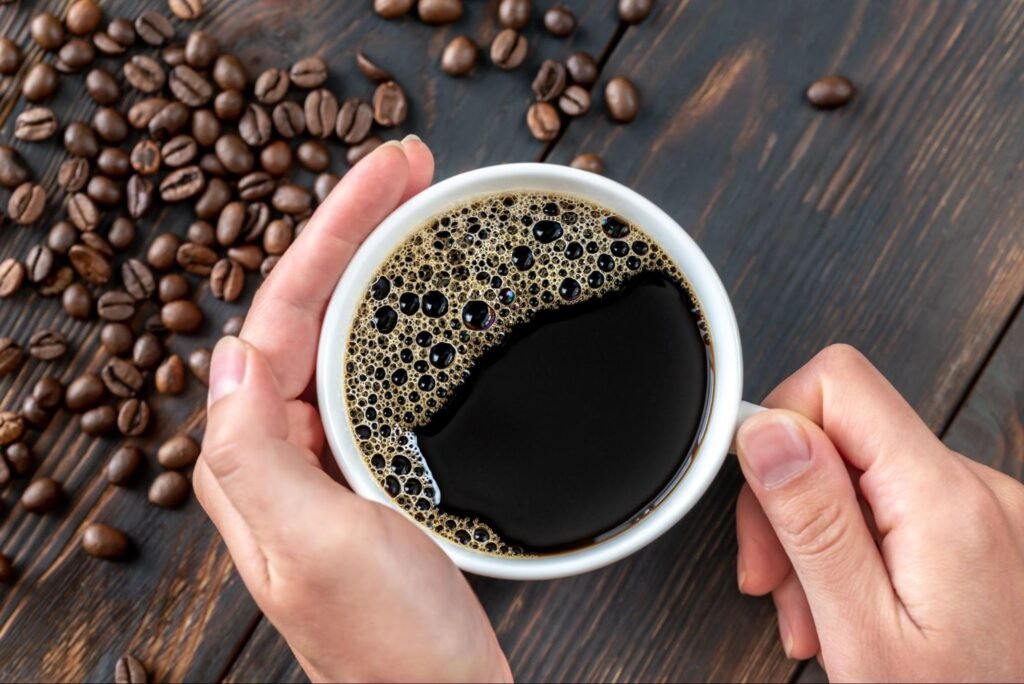
Craft-focused small businesses have always relied on care, precision, and sourcing to stand out. What’s changing now is how those values are shown, not just

How can brands create a more balanced and memorable customer experience by blending artisanal product quality with thoughtful everyday rituals that keep people coming back?

Independent coffee shops have always been about more than caffeine—they’re hubs of creativity, connection, and care. As café culture continues to evolve, new trends are
Introduction Independent cafes win when they feel like the neighborhood’s living room and operate with the discipline of a great kitchen. Below is a quick
Discover how top specialty coffee brands create lasting loyalty through storytelling, sourcing, and community connection. Real tips from 6 industry experts.