4 Ways Specialty Coffee Brands Build Loyalty That Lasts
Specialty coffee brands don’t win on taste alone anymore. Customers are paying attention to where beans come from, how they’re roasted, and what kind of


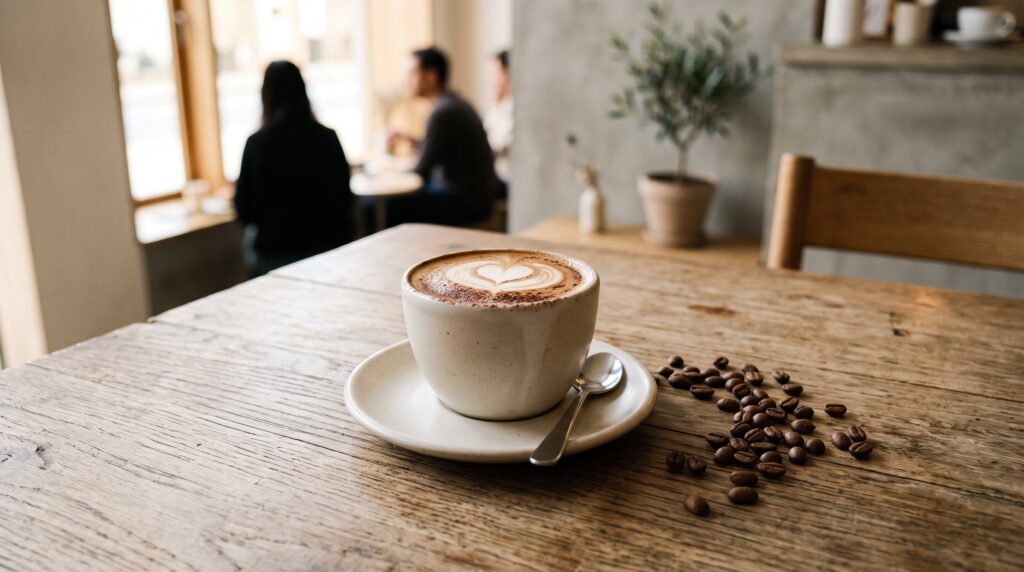
The Best Coffee Bean for Cappuccino doesn’t need sugar or flavored syrup to become enjoyable. It creates a smooth, full-bodied espresso that remains distinct beneath steamed milk, turning the morning cup into a small ritual worth slowing down for.
That search for balance sits at the heart of Equipoise Coffee. Founder Craig Keel spent years looking beyond bitter commercial coffee, eventually discovering that better beans and intentional roasting preserve the flavors that heavy roasting often destroys. For anyone who values craftsmanship, freshness, and transparent sourcing, choosing the right bean is where a naturally delicious cappuccino begins.
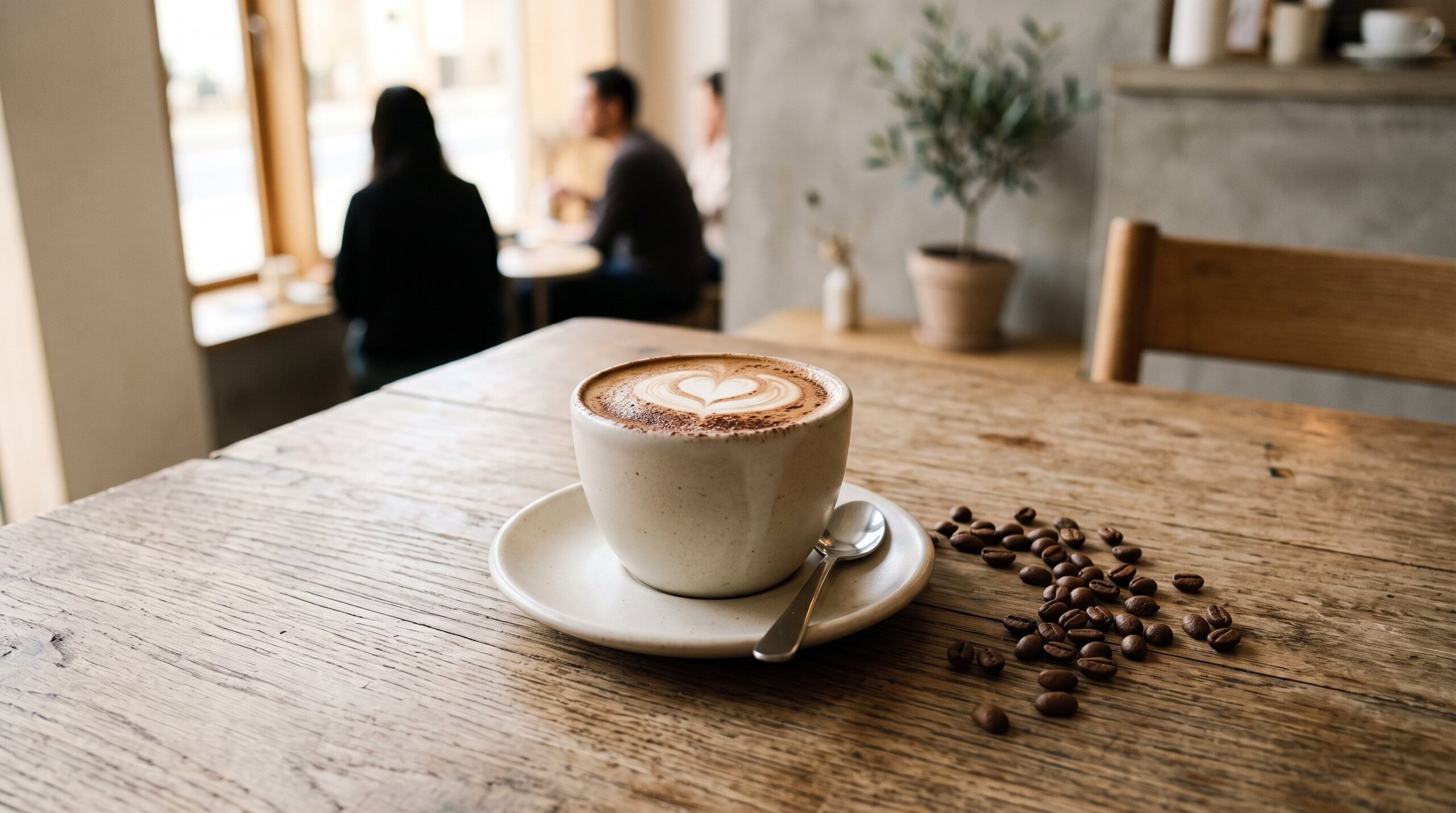
An ideal cappuccino bean produces concentrated flavor, natural sweetness, and enough body to remain noticeable after milk is added. The best choice usually has balanced acidity and a smooth finish rather than sharp, smoky bitterness.
A cappuccino contains espresso, steamed milk, and foam. Because milk softens acidity and roast intensity, a delicate coffee can disappear beneath it. On the other hand, an excessively dark bean may overpower the drink with charred flavors. Neither result feels balanced.
The Best Coffee Bean for Cappuccino should offer several qualities:
A substantial body that gives the drink a rich texture
Natural sweetness that reduces the desire for sugar
A clean finish without stale or rancid flavors
Enough depth to complement milk instead of competing with it
Recent roasting for a fuller aroma and more expressive espresso
Bean quality matters as much as flavor profile. Low-grade commercial coffee is often roasted until its origin character is difficult to recognize. Fresh premium coffee beans, roasted with restraint, preserve the sugars and aromatics already present in the seed.
That distinction can change a cappuccino completely. Instead of using milk to hide unpleasant coffee, the drinker uses it to reveal softer notes of chocolate, toasted nuts, fruit, or caramel.
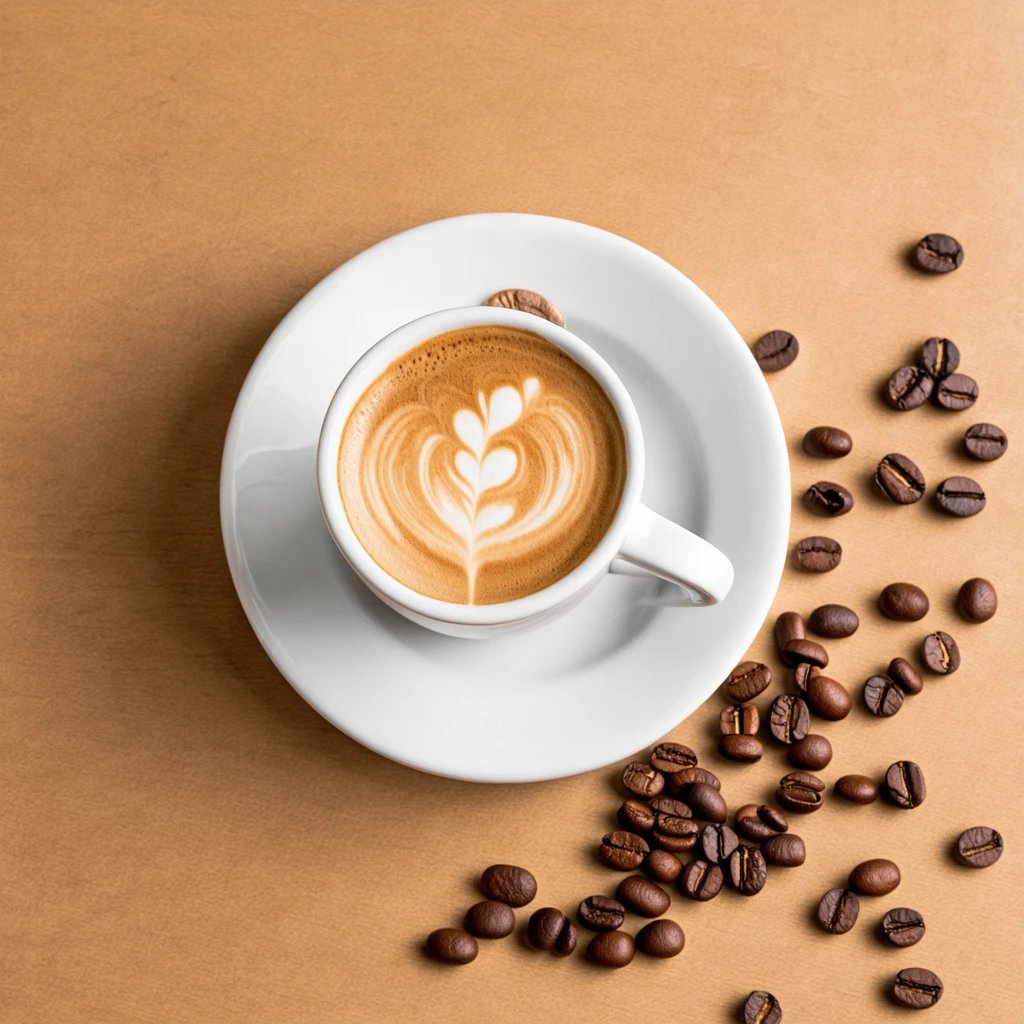
A medium to medium-dark roast generally gives a cappuccino the best balance of sweetness, body, and espresso intensity. It develops comforting roast character without burning away the bean’s natural flavor.
Very light roasts can make lively espresso, but their sharper acidity may taste thin or sour when extraction isn’t carefully controlled. Very dark roasts cut through milk easily, yet they can introduce smoke, harshness, and an oily surface. Those characteristics often lead drinkers to add more sweetener, the very cover-up that quality coffee should make unnecessary.
Equipoise Coffee takes a more measured approach. Its advanced aromatic roasting system promotes an even roast, preserving flavor inside the bean rather than roasting it out. This creates the equilibrium behind the name: harmony among origin, aroma, roast, and finish.
Cavaliers Blend is a natural starting point for the coffee lover who wants a bold yet balanced cappuccino. Its smooth character can hold its place beside steamed milk without becoming aggressive.
For the best extraction, beans should be ground immediately before brewing. A fine espresso grind, consistent pressure, and properly heated equipment help turn that careful roast into a rounded shot. Freshness cannot rescue poor technique, but it gives good technique far more flavor to work with.
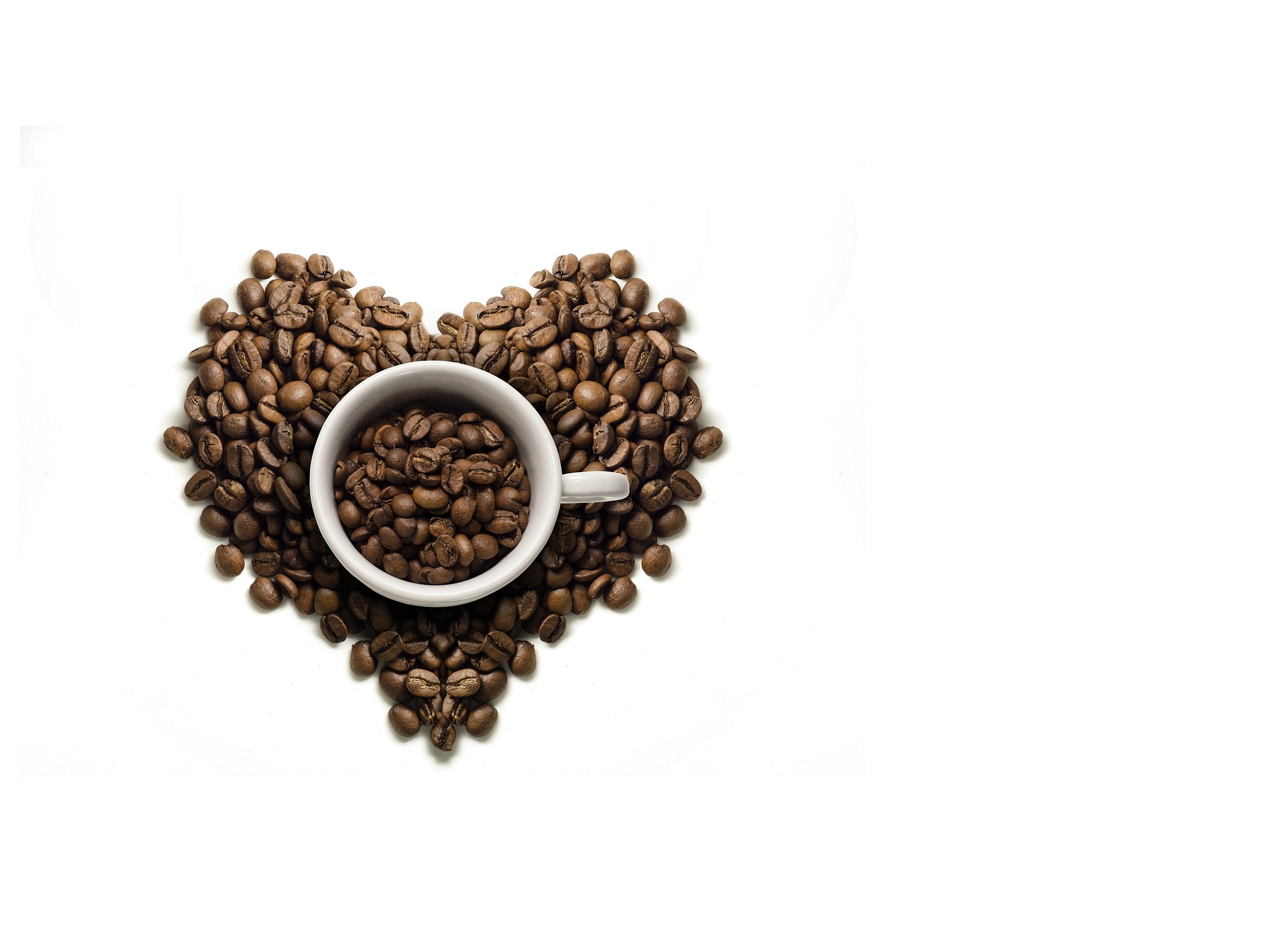
Bean origin determines whether a cappuccino leans toward chocolate and nuts or fruit, florals, and brighter sweetness. Milk doesn’t erase these characteristics: it reshapes them. Chocolate notes become creamier, while fruit notes can resemble berries, honey, or citrus folded into warm milk.
Origin is hence a practical selection tool, not merely information printed on a label. A drinker who enjoys a familiar, comforting morning cup may favor Colombian coffee. Someone curious about a more aromatic cappuccino may prefer Ethiopian or carefully processed Mexican beans.
Equipoise Coffee offers several paths through those flavor families. Colombian Supremo provides a classic foundation, while Ethiopian Yirgacheffe introduces a brighter direction. Mexican Oaxaca and Mexican La Laja Honey offer distinctive expressions from Mexico, shaped by regional growing conditions and post-harvest processing.
The perfect choice remains personal. The goal isn’t to identify one origin as universally superior: it is to find the origin whose natural character reaches equilibrium with milk and matches the drinker’s morning ritual.
Colombian beans are especially dependable for cappuccinos because their sweetness, moderate acidity, and rounded body integrate naturally with milk. They often suggest cocoa, caramel, toasted nuts, or soft fruit rather than sharp citrus.
That profile makes Colombian Supremo an approachable choice for someone moving away from bitter supermarket coffee. It provides enough structure for espresso while allowing steamed milk to add sweetness and texture. The result feels rich without requiring flavored creamers or spoonfuls of sugar.
Brazilian coffee is also widely associated with chocolate, nut, and low-acid profiles, which explains its frequent use in traditional espresso blends. Equipoise focuses here on Colombian Supremo rather than offering a Brazilian product. For a drinker seeking that broader chocolate-and-nut flavor family, the Colombian selection offers a balanced route.
A chocolate-forward bean pairs particularly well with dairy milk because lactose sweetness emphasizes cocoa and caramel notes. Oat milk can produce a similarly rounded impression, though its own cereal-like flavor becomes part of the cup. Either way, a clean espresso foundation matters more than additives.
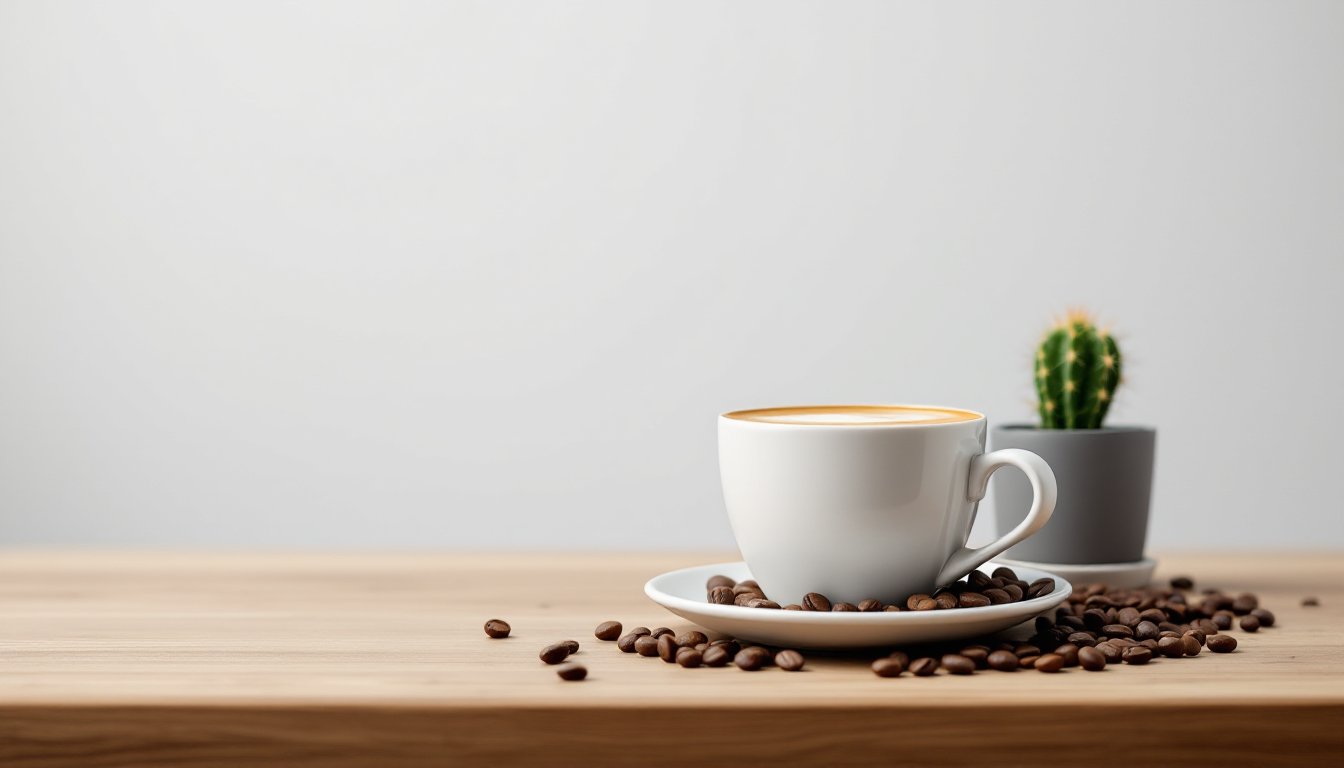
Ethiopian beans create a more aromatic cappuccino, often bringing floral, citrus, berry, or tea-like notes through the milk. This style suits drinkers who want their morning cup to feel vivid rather than traditionally roasty.
Ethiopian Yirgacheffe is a compelling option for that experience. Its brighter personality can give a smaller, carefully prepared cappuccino a lifted aroma and a naturally sweet finish. The espresso recipe may need slight adjustment, since brighter coffees often respond differently from heavier, chocolate-led beans.
Mexico also provides nuanced coffees with sweetness and regional character. Mexican Oaxaca, from the mountainous Oaxaca region, can appeal to someone seeking an expressive yet grounded cup. Mexican La Laja Honey offers another direction: honey processing can encourage sweetness and fruit depth because some of the coffee fruit remains with the seed during drying.
These profiles reward restraint with milk. Too much milk can bury their finer notes, so a traditional cappuccino ratio usually serves them better than an oversized drink. The goal is still balance, enough milk to soften the espresso, but not so much that the work of the farmer and roaster disappears.
The best beans come from a roaster that discloses origin, roasts in small batches, and sends coffee while it is still fresh. A polished package cannot compensate for beans that have sat in distribution for months.
Freshly roasted coffee retains more of the aroma and nuanced flavor needed for a satisfying cappuccino. Whole beans also stay fresh longer than pre-ground coffee because less surface area is exposed to oxygen. Buyers should store them sealed, away from heat, moisture, and direct sunlight, not beside a warm espresso machine.
When evaluating small-batch coffee roasters, the buyer should look for:
Clear information about origin and processing
A roasting philosophy centered on flavor rather than heavy charring
Whole-bean options suitable for grinding at home
Direct purchasing that shortens the route from roaster to customer
Respect for producers and fairness throughout the supply chain
Equipoise Coffee, established in 2021, reflects Craig Keel’s lifelong search for a smoother cup. His memories begin at his grandmother’s table, where a stovetop percolator filled the house with aroma. That nostalgia eventually became a practical philosophy: use good beans, roast them evenly, and stop before heat destroys their character.
Readers can explore Craig Keel’s story and the Equipoise philosophy or visit the Equipoise Coffee shop to buy specialty coffee online directly from an independent roaster.
Cappuccino itself has a long relationship with changing brewing customs and café culture. This concise history of the cappuccino provides useful context for how the drink developed into the balanced combination recognized today.
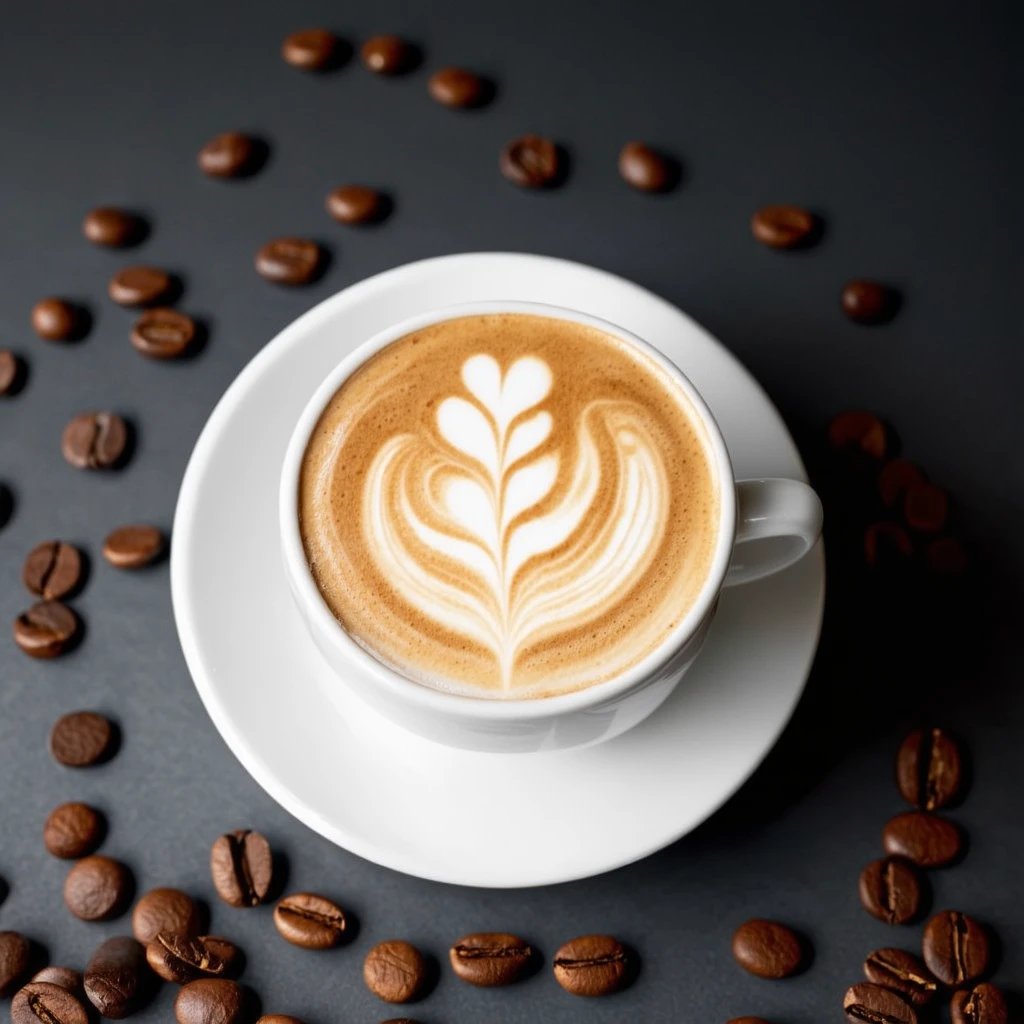
The Best Coffee Bean for Cappuccino balances body, sweetness, freshness, and origin character without relying on sugar to hide bitterness. Cavaliers Blend and Colombian Supremo suit a deeper, comforting cup, while Ethiopian Yirgacheffe, Mexican Oaxaca, and Mexican La Laja Honey invite more adventurous flavors.
For a classic café-style result, look for medium or medium-dark roasts with enough structure to remain distinct beneath steamed milk. Chocolate, caramel, nutty, and toasted notes create a smooth, familiar profile. If you prefer brightness, choose a lighter roast with floral, citrus, berry, or honeyed nuances. These flavors can add complexity without making the drink feel sharp or thin.
Freshness matters just as much as origin. Buy whole beans when possible, check the roast date, and grind immediately before brewing. Aim for a balanced espresso shot, then texture the milk into a glossy microfoam that complements rather than overwhelms the coffee. Small adjustments to grind size, dose, and extraction time can reveal more sweetness and reduce harshness. Trust your palate.
Choosing freshly roasted, carefully sourced beans turns cappuccino from a quick caffeine stop into an honest morning ritual, Your Perfect Balance, One Cup at a Time.
An ideal cappuccino bean has a substantial body, natural sweetness, balanced acidity, and a clean finish. It creates a smooth espresso that complements steamed milk without being overpowering or too acidic.
Medium to medium-dark roasts provide the best balance of sweetness, body, and intensity. They retain a comforting roast character without burning the beans’ natural flavors, helping the coffee stand out alongside milk.
Bean origin influences flavor notes in cappuccinos. Colombian and Brazilian beans bring chocolatey, nutty sweetness, while Ethiopian and Central American beans add brighter, fruitier, and floral tones that milk tends to soften and reshape.
Freshly roasted, small-batch beans retain more of the aromas and nuanced flavors essential for a delicious cappuccino. They preserve natural sugars and aromatics, resulting in a fresher, less bitter, and more balanced cup.
Grind the beans immediately before brewing using a fine espresso setting. Apply consistent pressure and ensure your equipment is properly heated. Fresh beans and good technique produce a well-rounded espresso shot that blends perfectly with milk.
Yes. High-quality, well-roasted beans with natural sweetness, such as those from Equipoise Coffee, can produce a smooth, balanced cappuccino that tastes delicious without added sugar or flavored syrups.
Specialty coffee brands don’t win on taste alone anymore. Customers are paying attention to where beans come from, how they’re roasted, and what kind of
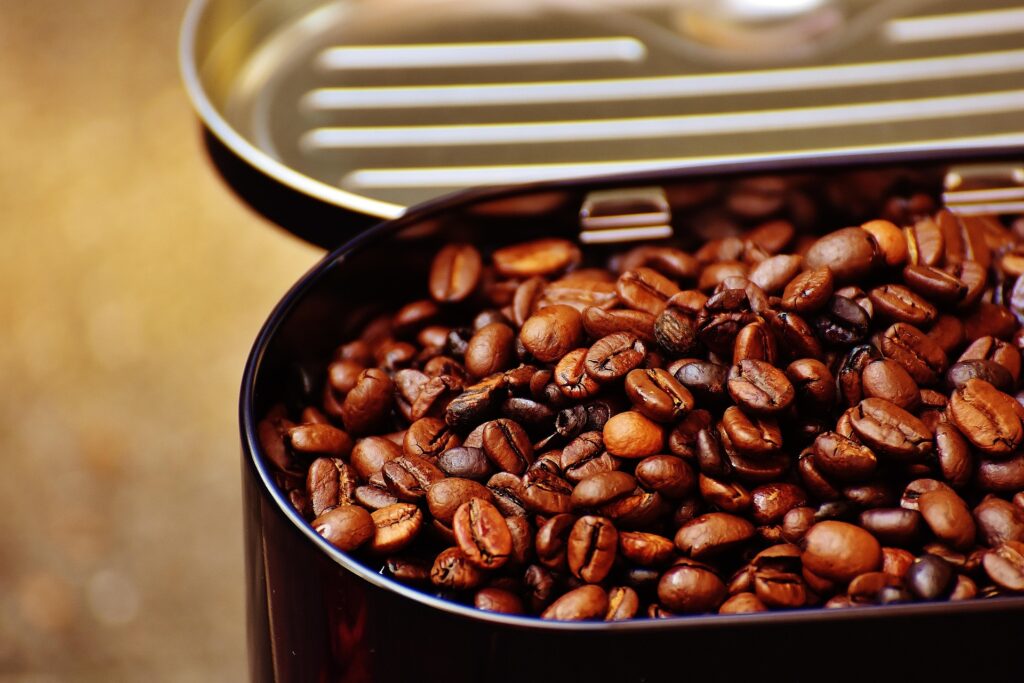
Water processed decaf coffee promises rich taste without chemicals, but what makes it stand out among other caffeine-free options?
Community loyalty in retail and hospitality doesn’t happen by accident. It’s built on purpose, inside physical spaces that give people something more than speed or

Growing a specialty brand is rarely just about selling more. Expansion brings real tension between speed, reach, and the standards that made the brand valuable
Craft-focused small businesses have always relied on care, precision, and sourcing to stand out. What’s changing now is how those values are shown, not just
How can brands create a more balanced and memorable customer experience by blending artisanal product quality with thoughtful everyday rituals that keep people coming back?

Independent coffee shops have always been about more than caffeine—they’re hubs of creativity, connection, and care. As café culture continues to evolve, new trends are
Introduction Independent cafes win when they feel like the neighborhood’s living room and operate with the discipline of a great kitchen. Below is a quick
Discover how top specialty coffee brands create lasting loyalty through storytelling, sourcing, and community connection. Real tips from 6 industry experts.