
4 Ways Specialty Coffee Brands Build Loyalty That Lasts
Specialty coffee brands don’t win on taste alone anymore. Customers are paying attention to where beans come from, how they’re roasted, and what kind of


Community loyalty in retail and hospitality doesn’t happen by accident. It’s built on purpose, inside physical spaces that give people something more than speed or convenience.
These days, customers can order almost anything from their phones. So when they walk into a store, hotel, or café, they want a reason to stay. The brands below show how physical spaces and customer experience can build deeper community loyalty in retail and hospitality while still driving real, measurable growth.
Here’s what stands out:
Let’s take a closer look at how each leader is doing it.
Soban Tariq, Founder, Game of Branding, puts it plainly:
“People come back more often when stores give them something to do besides just buying stuff. We set up selfie stations for a client and their social shares took off, which made the results obvious. Putting QR codes with rewards around the store gets people to come back. Honestly, if you want customers to stick around, give them something worth sharing online. Give them a reason to take a picture.”
 Soban Tariq, Founder
This approach works because it taps into behavior that’s already happening. Customers are documenting their lives. When a brand gives them a fun backdrop, a reward-based QR code, or a small interactive moment, it turns a transaction into content.
That content spreads. Friends see it. Curiosity builds. At the same time, QR-based rewards create a reason to return. A second visit feels less like another shopping trip and more like continuing an experience.
In a convenience-driven market, speed is easy to replicate. What’s harder to copy is a moment that feels personal and shareable. That’s where community loyalty in retail and hospitality starts to grow.
Nadia Johansen, CEO, Dealicious, has seen how workshops outperform traditional promotions:
“I’ve seen jewelry stores that get it right. They don’t just sell things, they host workshops and events that make people want to hang around. Those customers come back, and they bring friends. It sells more than any weekend sale ever could. My advice is simple: give people something to do in your store. Make it a place they actually enjoy spending time, and they’ll keep coming back.”

Nadia Johansen, CEO
Workshops change the purpose of a store. Instead of being a place to browse quickly, it becomes a destination. Customers learn something. They connect with others. They feel comfortable.
Also, events naturally create word-of-mouth. When someone attends a styling session, tasting event, or DIY class, they’re likely to invite friends next time. That expands reach without relying only on paid ads.
Sales follow trust and familiarity. When people associate a brand with positive, shared experiences, they’re more inclined to buy there again. That’s practical community loyalty in retail and hospitality at work.
Richard Skeoch, Company Director at Hyperion Tiles, focuses on service depth:
“People come in with questions, not just a shopping list. So at Hyperion Tiles, we do more than show products. We run design consultations and store events, so people leave with ideas, not just a receipt. They come back for their next project or send friends our way. That’s what actually grows the business.”
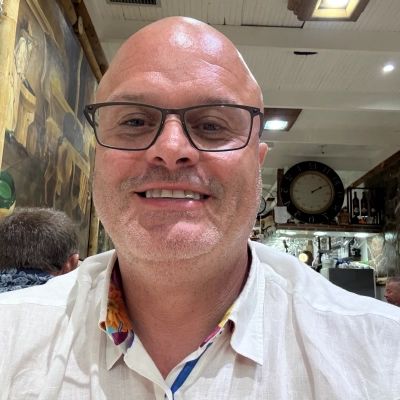
Richard Skeoch, Company Director
Consultations shift the relationship. Instead of pushing inventory, the brand helps solve problems. Customers feel heard. They get clarity. They leave with confidence.
That confidence leads to repeat projects and referrals. In home improvement, design, and specialty retail, one satisfied customer can drive years of revenue through repeat work and recommendations.
Consultations also increase dwell time in a natural way. People stay longer because they’re engaged in planning and decision-making. The store becomes part of their creative process.
When physical space supports conversation and guidance, community loyalty in retail and hospitality becomes rooted in trust rather than discounts.
Pratik Singh Raguwanshi, Manager, Digital Experience, LiveHelpIndia, highlights a broader shift:
“We are noticing that brands are evolving from using physical locations as only transaction locations to now using them as community pillars in this era of convenience. Therefore the physical location must have something that is not offered in the digital world, which is community or belonging to a group. Many of the brand’s successes can be attributed to them intentionally designing their locations to promote dwell time instead of throughput.
The dwell-time evolution is in response to the ‘loneliness of convenience.’ While mobile apps will create speed, physical spaces are being redesigned for high-value human interaction. Brands are creating event spaces and co-working spaces in coffee shops and retail locations. This is not simply a branding exercise but rather creates measurable growth, as dwell time has consistently shown to correlate with higher average transactional values and long-term retention.
The greatest challenge is creating the community-feel while maintaining operational efficiency. Brands that are leading the charge are using digital tools such as AI-driven inventory and staffing to allow their employees to only focus on customer service. When the logistics are removed, employees are able to build relationships to create loyal customers.
Building community takes time and quite often, it will be the small, non-scalable interactions that create impact. Brands must understand that behind every data point is an individual that is looking for a reason to return for more than price and/or speed.”
 Pratik Singh Raguwanshi, Manager, Digital Experience
This insight connects the dots. Convenience solves speed. Physical space solves connection.
When brands prioritize seating, flexible layouts, and conversation areas, they increase the likelihood that customers will stay longer and spend more. At the same time, using smart operational tools behind the scenes keeps the experience smooth.
Community loyalty in retail and hospitality grows when the space feels human, not rushed.
Sandro Kratz, Founder of Tutorbase, shares a simple but powerful shift:
“When I ran language schools and built Tutorbase, I found a little secret. We turned our classrooms into spots for open-mic nights and cultural events. Students started treating the place like it was theirs, not just somewhere they took classes. They came back way more often than they did when we sent emails or flyers. My advice is to make your space a place people actually want to hang out.”
 Sandro Kratz, Founder
The key here is ownership. When people feel like a space belongs to them, they return without needing constant reminders.
Open-mic nights, cultural gatherings, and informal meetups turn a functional location into a social anchor. Marketing becomes secondary because the experience itself creates loyalty.
This kind of shift doesn’t require a complete remodel. It requires intention. Rearranging furniture, extending hours for events, or inviting the community in for shared experiences can transform foot traffic patterns.
Community loyalty in retail and hospitality strengthens when people don’t just visit. They participate.
Edward Piazza, President, Titan Funding, has seen how spatial redesign affects revenue:
“Look, I see it all the time with hotels and retail. Make a place people want to hang out in, and they will come back. A client of mine turned their hotel lobby into a co-working lounge. Locals started showing up daily, and guests started extending their stays. I help owners get the financing for these changes. It works. When you build something the community actually uses, the money tends to follow.”
 Edward Piazza, President
.
Hotels and retail stores have underused square footage. Turning that space into co-working areas increases daytime traffic and creates new revenue streams.
Locals come in for meetings or remote work. While they’re there, they buy coffee, food, or retail items. Guests feel the energy and stay longer.
This strategy ties physical design directly to measurable growth. Extended stays, increased average spend, and diversified income all flow from one decision: make the space useful.
Community loyalty in retail and hospitality expands when brands serve both customers and neighbors.
Ben Hathaway, CEO, Wedding Rings UK, focuses on experience over speed:
“In Birmingham, we slow things down. We let customers handle the raw materials and actually hammer out their own wedding bands. It becomes an experience, not just a purchase. While other shops focus on speed, our clients come back with friends because they have a story to tell. My advice is to make the experience the thing people talk about, not just the ring they bought.”

Ben Hathaway, CEO
This model turns product creation into memory-making. Customers aren’t just buyers. They’re participants.
That participation creates emotional investment. People return with friends. They recommend the store because they remember how it felt.
In competitive markets, price and convenience can always be matched. Stories are harder to replicate.
Community loyalty in retail and hospitality becomes strongest when the physical space supports hands-on, memorable moments that customers can’t get online.
Physical spaces still have power. In fact, they may matter more now than ever.
The brands building lasting community loyalty in retail and hospitality aren’t competing on speed alone. They’re creating places where people gather, learn, connect, and share. When stores and hotels become part of someone’s routine or story, growth follows naturally.
If you want measurable results in a convenience-driven market, don’t just optimize transactions. Design spaces that give people a reason to stay, return, and bring others with them. That’s how community loyalty in retail and hospitality turns into long-term revenue.
Specialty coffee brands don’t win on taste alone anymore. Customers are paying attention to where beans come from, how they’re roasted, and what kind of
Water processed decaf coffee promises rich taste without chemicals, but what makes it stand out among other caffeine-free options?
Community loyalty in retail and hospitality doesn’t happen by accident. It’s built on purpose, inside physical spaces that give people something more than speed or

Growing a specialty brand is rarely just about selling more. Expansion brings real tension between speed, reach, and the standards that made the brand valuable
Craft-focused small businesses have always relied on care, precision, and sourcing to stand out. What’s changing now is how those values are shown, not just
How can brands create a more balanced and memorable customer experience by blending artisanal product quality with thoughtful everyday rituals that keep people coming back?

Independent coffee shops have always been about more than caffeine—they’re hubs of creativity, connection, and care. As café culture continues to evolve, new trends are
Introduction Independent cafes win when they feel like the neighborhood’s living room and operate with the discipline of a great kitchen. Below is a quick
Discover how top specialty coffee brands create lasting loyalty through storytelling, sourcing, and community connection. Real tips from 6 industry experts.