4 Ways Specialty Coffee Brands Build Loyalty That Lasts
Specialty coffee brands don’t win on taste alone anymore. Customers are paying attention to where beans come from, how they’re roasted, and what kind of


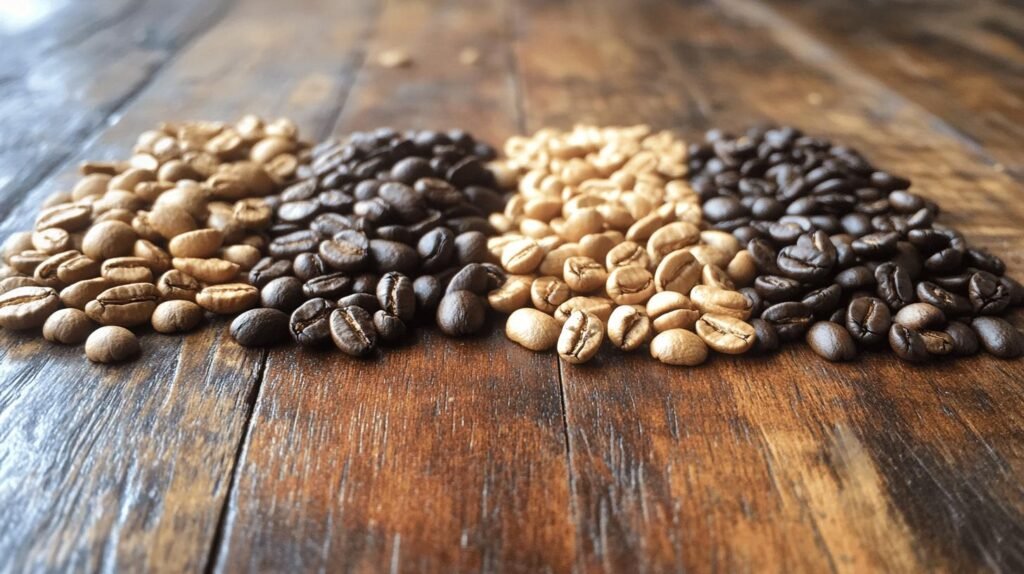
Coffee beans varieties are the quiet reason one cup tastes like ripe berries and another leans cocoa and nuts, even when both are “medium roast.” For people who value craftsmanship, a clean ingredient list (no cover-up cream or sugar), and the steady comfort of a morning ritual, variety is where coffee gets personal—and where flavor starts taking shape long before roasting.
At Equipoise Coffee, the long search for a smoother, less harsh cup led to a simple conviction: start with better beans, roast with intention, and keep the flavor in the bean rather than roasting it out. Once someone understands what “variety” means, how it affects farming and sourcing, and what it typically tastes like, choosing a coffee stops feeling like a gamble and starts feeling like a small, daily act of balance. (It also makes exploring single-origin coffees a lot more intuitive.)
In everyday coffee talk, people say “type of bean” and mean everything at once: Arabica vs. Robusta, light vs. dark roast, Ethiopian vs. Colombian. But those are different layers.
A coffee’s species is the broad botanical category. In practical terms, most of what you drink comes from Coffea arabica and Coffea canephora (Robusta). A variety is a distinct genetic line within a species, often with recognizable growth traits, resilience in the field, and consistent tendencies in the cup. Cultivars are cultivated selections—often chosen or bred for performance, quality, yield, and stronger resistance on farms.
Roast isn’t genetics. It’s post-harvest cooking. Two coffees can share the same roast level and still taste wildly different if their genetics and origins are different.
Variety matters because it shapes coffee at the root level—from farm realities to what ends up in your cup. Some varieties naturally express florals; others lean chocolate, nuts, spice, or a deeper, molasses-like sweetness. On the farm, varieties differ in yield, plant size, altitude preference, and resilience—huge factors in long-term sustainability. Delicate or lower-yielding plants can be harder to produce consistently, which can increase price and demand. Species plays a big role in caffeine content too—Robusta typically contains more caffeine than Arabica, which is one reason it can taste more intense and feel “stronger.”
For a drinker chasing a “no-additives-needed” cup, learning variety is like learning grape varietals in wine. It’s not a science project—just a smarter way to choose the next bag (or dial in a coffee subscription that fits your preferences).
Most of the coffees people run into sit under a few species umbrellas.
Arabica (Coffea arabica) is the flavor-driven standard in specialty coffee, typically more aromatic, nuanced, and naturally sweet. It often thrives in higher elevations, where cooler temperatures slow ripening and build complexity. In Equipoise terms, Arabica is where balance gets interesting: it can be lively and floral, or deep and cocoa-toned, depending on genetics, region, processing, and roast approach.

Robusta (Coffea canephora) is known for higher caffeine and a more forceful profile, commonly used in espresso blends to boost body and crema. It grows well at lower altitudes and can be more resilient in the field. In the cup, it’s often less delicate than Arabica—more intensity, less perfume. For people who want a smoother cup without masking flavors, Arabica tends to be the more reliable path.
Liberica is rarer globally and often described as distinct, sometimes woody or smoky. Excelsa is often discussed separately, though modern taxonomy classifies it under Liberica; many describe it as tart, fruity, and complex.
Within Arabica, varieties act like a “likely flavor map,” not a promise. The same variety can taste different by origin, microclimate, and processing, but patterns still emerge.
Typica is a foundational Arabica line, often sweet, mild, and balanced, with notes that can lean chocolatey, nutty, or gently spiced. Bourbon is another major family, frequently associated with round sweetness and fruit notes (often cherry or stone fruit), sometimes showing a caramelized-sugar type of sweetness when grown and processed well.
Many cultivars exist because farmers needed plants that fit real-world constraints like spacing, yield, and resilience. Caturra is a Bourbon mutation known for compact growth and often bright, clean sweetness. Catuai is a widely planted cross valued for stability and yield, often producing an approachable, sweet cup. Mundo Novo (a natural cross involving Typica/Bourbon heritage) is known for vigor and productivity, often delivering classic chocolate/nut structure when roasted for balance. These aren’t “lesser” choices—just different priorities in breeding and selection.
Gesha (Geisha) can express an unusually floral, tea-like, aromatic profile with vivid notes (think jasmine, bergamot, citrus). It’s also not a guaranteed favorite for everyone; if someone craves chocolate depth, a wildly floral cup can feel surprising.
SL28 (and SL34) are closely tied to East African selection work. People often describe them as bright, structured, and fruit-driven—sometimes with berry-like intensity—showing how genetics can become a shortcut to a particular style of cup.
Genetics matter, but environment decides how those genes “speak,” especially during fruit development.
Higher elevations often support brighter acidity, more defined aromatics, and layered sweetness—reasons many single-origin coffees highlight altitude. Two farms can grow the same cultivar and still get different results due to soil chemistry, shade management, rainfall timing, and sun exposure.
Processing is the bridge between farm and flavor. Washed coffees tend to show clarity, florals, and crisp acidity. Naturals often lean into heavier fruit and rounder sweetness. Honey processing commonly lands in the middle—sweetness and texture with a tidy finish, sometimes enhancing a caramel-like impression without any added flavoring. A honey-processed coffee can be a strong fit for someone who wants sweetness and fruit without the “fermenty” edge some naturals can show.
Choosing among coffee beans varieties doesn’t require perfect vocabulary. It requires noticing what someone reaches for (and what they avoid).
If someone likes fruity, bright cups, they often enjoy East African profiles and varieties like SL28. If they like floral, tea-like coffees, Gesha can shine. If they want chocolatey, nutty comfort, many classic Latin American coffees built on Typica/Bourbon/Catuai/Mundo Novo backgrounds can deliver.
Brewing method matters too. Espresso benefits from sweetness and structure to avoid harshness. Pour-over rewards complexity and aromatics. Cold brew emphasizes chocolate/caramel body.
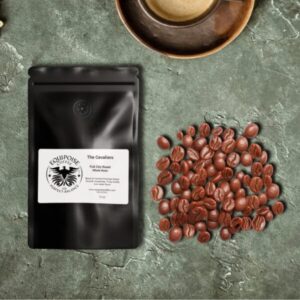
Equipoise examples include Cavaliers Blend for a steady, balanced blend in a daily cup; Colombian Supremo for sweetness and classic depth; Ethiopian Yirgacheffe for lifted aromatics; Mexican Oaxaca for approachable character; and Mexican La Laja Honey for sweetness and texture from honey processing.
When reading labels, a useful order is: roast date, origin/region (especially for single-origin coffees), process (washed/natural/honey), tasting notes (signposts, not promises), and then variety (if listed). If a brand is transparent here, it’s usually a sign they care about what’s in the bag and how it got there—useful if you’re setting up a recurring coffee subscription and want consistency.
Even the best beans can’t show off if the coffee is stale. Buying whole bean, prioritizing a clear roast date, and grinding right before brewing makes a bigger difference than most people expect. Ordering from a small-batch roaster can also mean coffee arrives closer to peak. Those exploring can browse the latest offerings in the Equipoise Coffee store and get a feel for the brand through the Stories page.
For storage, keep coffee airtight, cool, dark, and dry so the coffee’s distinct character stays intact.
There’s no single “best,” but Arabica is prized for smooth, sweet, complex flavors, while Robusta is bolder, more bitter, and higher in caffeine. The best choice depends on your taste and brew method: light-to-medium Arabica suits pour-over and drip, medium-dark works well for espresso, and Arabica/Robusta blends add crema and intensity. Freshness and roast quality matter more than origin alone.
The 80/20 rule means you’ll get about 80% of coffee’s desirable flavors by focusing on the 20% of factors that matter most. Typically, that “20%” is using fresh beans, grinding right before brewing, using correct water-to-coffee ratio, and controlling brew time and temperature. Nail those basics first, then fine-tune extras like origin, filtration, and advanced technique.
“Weakest” can mean lowest caffeine or mildest taste. In caffeine terms, decaf is lowest. Among regular coffees, a lightly brewed, low-dose drip coffee (more water, less grounds) will be weakest per cup. Taste-wise, light-roast Arabica often seems gentler than dark, but it may still contain similar or more caffeine—strength depends mostly on dose and extraction, not roast color.
Thick coffee is often called “Turkish coffee” when it’s unfiltered and brewed with very fine grounds, creating a dense, velvety texture. Some people also describe espresso as thick due to its concentrated body and crema. In parts of India, “filter coffee” can feel rich and thick when made strong with a dark roast and served with milk.
Espresso is stronger in concentration (more coffee solids and caffeine per ounce), but not always stronger per cup. A single espresso shot is small, usually 1–2 oz, while a full mug of drip coffee is much larger and can contain more total caffeine. If you compare ounce-for-ounce, espresso wins; if you compare serving-to-serving, drip can match or exceed it.
Both use the same fine grind and pressure-based espresso method, but ristretto is “shorter.” A ristretto pulls less water through the coffee, creating a smaller, more concentrated shot with a syrupy texture. It often tastes sweeter and less bitter because it emphasizes early, flavorful extraction. Espresso uses more water and yields a larger shot with a broader flavor range.
Caffeine depends on size and number of shots. In most cafés, a large brewed coffee typically has the most caffeine because it’s a bigger serving. A large cold brew can also be very high, especially if it’s a concentrate. Among espresso-based drinks, those with multiple shots (like a quad espresso or large iced latte with extra shots) can rival brewed coffee.
A typical single espresso shot (about 1 oz / 30 ml) contains roughly 60–75 mg of caffeine, though it can range from about 40 to 90 mg depending on the beans, roast, dose, and extraction. A double shot usually has around 120–150 mg. Café recipes vary, so the most accurate number depends on the shop’s espresso dose and blend.
Specialty coffee brands don’t win on taste alone anymore. Customers are paying attention to where beans come from, how they’re roasted, and what kind of
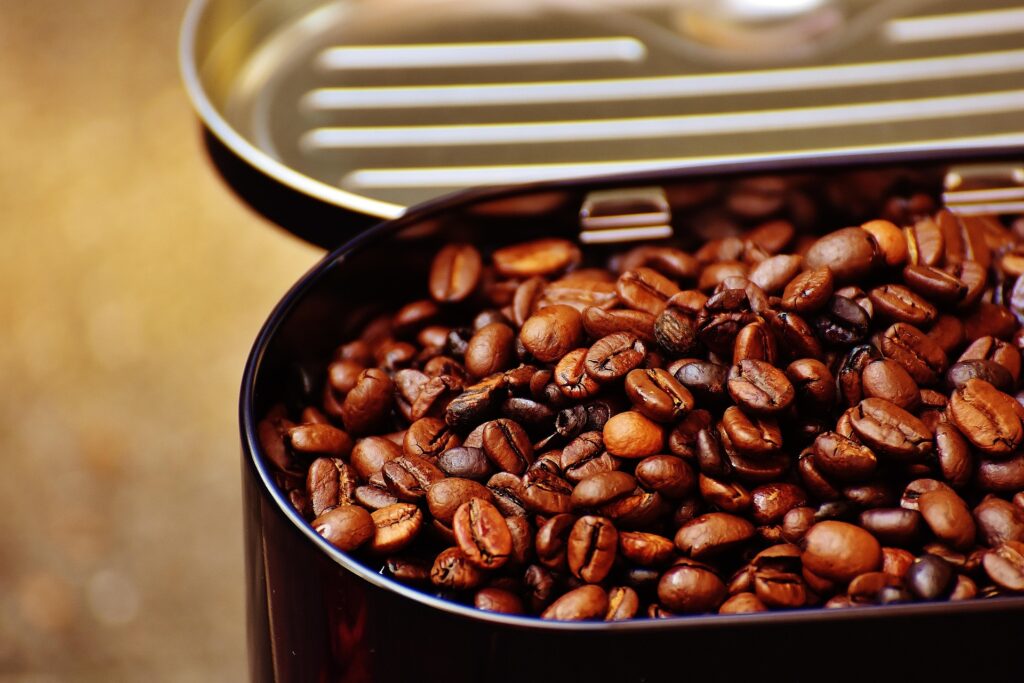
Water processed decaf coffee promises rich taste without chemicals, but what makes it stand out among other caffeine-free options?
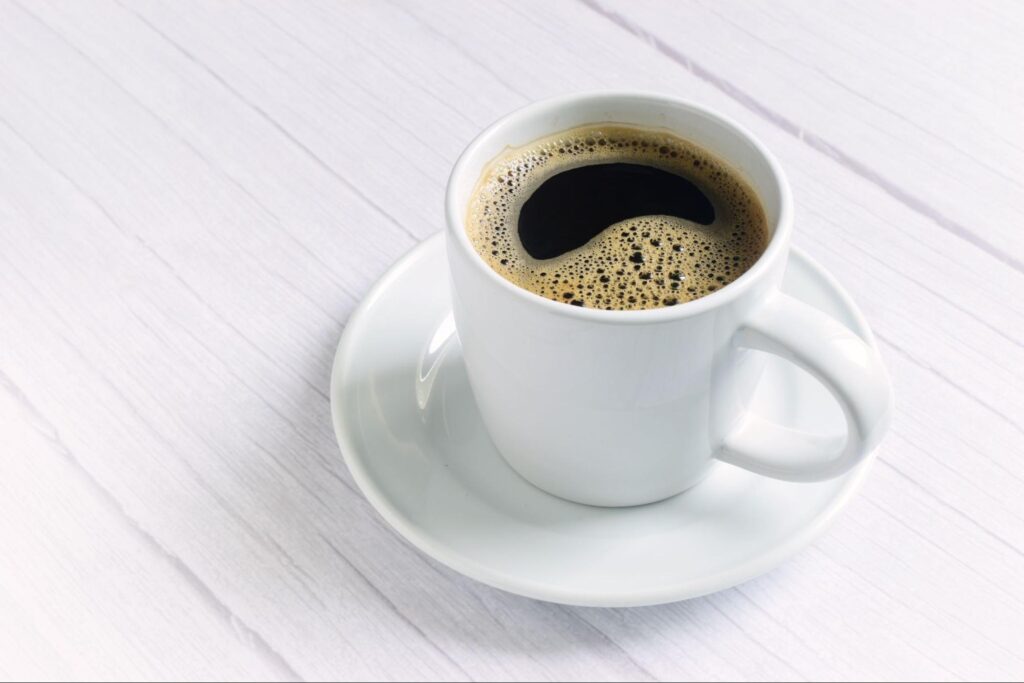
Community loyalty in retail and hospitality doesn’t happen by accident. It’s built on purpose, inside physical spaces that give people something more than speed or

Growing a specialty brand is rarely just about selling more. Expansion brings real tension between speed, reach, and the standards that made the brand valuable
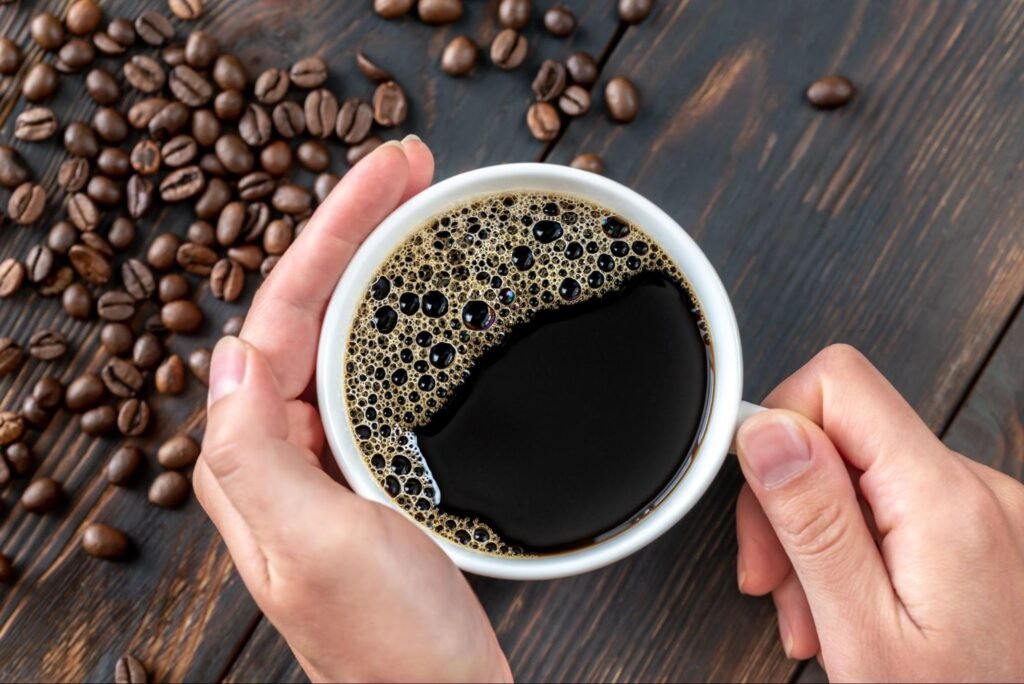
Craft-focused small businesses have always relied on care, precision, and sourcing to stand out. What’s changing now is how those values are shown, not just
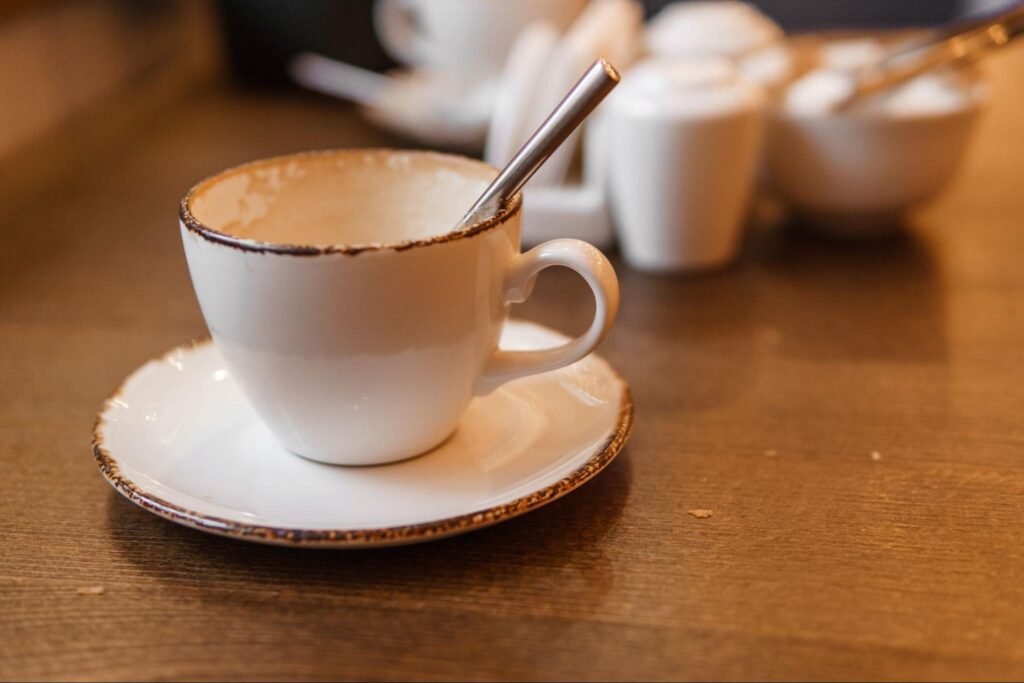
How can brands create a more balanced and memorable customer experience by blending artisanal product quality with thoughtful everyday rituals that keep people coming back?

Independent coffee shops have always been about more than caffeine—they’re hubs of creativity, connection, and care. As café culture continues to evolve, new trends are
Introduction Independent cafes win when they feel like the neighborhood’s living room and operate with the discipline of a great kitchen. Below is a quick
Discover how top specialty coffee brands create lasting loyalty through storytelling, sourcing, and community connection. Real tips from 6 industry experts.