4 Ways Specialty Coffee Brands Build Loyalty That Lasts
Specialty coffee brands don’t win on taste alone anymore. Customers are paying attention to where beans come from, how they’re roasted, and what kind of



Most people reach for their morning cup without giving the bean a second thought. But if you’ve ever wondered — are coffee beans a fruit or vegetable? — the answer does more than satisfy curiosity. It rewrites the entire story of what’s in your cup, and why sourcing and ripeness matter more than most roasters will ever tell you.
At Equipoise Coffee, that story is everything. This small-batch Harlingen roastery was built on a simple conviction: great coffee starts long before the roast. It starts at the tree.
![[Are Coffee Beans a Fruit or Vegetable?] The Coffee Cherry The Fruit Behind the Bean-1.jpg](https://equipoisecoffee.com/wp-content/uploads/2024/08/The-Coffee-Cherry-The-Fruit-Behind-the-Bean-1.jpg)
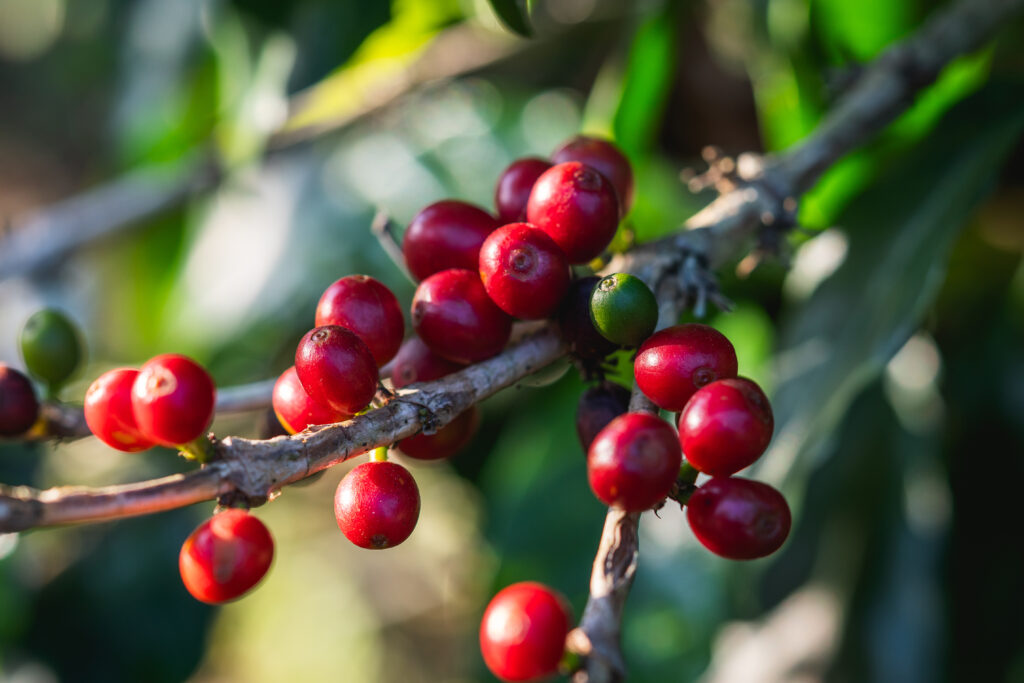
Coffee beans are seeds — specifically, the seeds found inside the fruit of the Coffea plant. That fruit is called a coffee cherry, and it looks strikingly like the cherries you’d pull off a tree in summer. Bright red, plump, and sweet when ripe.
The bean you grind is the pit of that cherry, protected by layers of fruit flesh, a sticky mucilage, and a papery inner skin called parchment. So when someone asks are coffee beans a fruit or vegetable, the most accurate answer is: neither, exactly. They’re the seed of a fruit. But the cherry itself absolutely qualifies as a botanical fruit by every definition.
Understanding this changes how you think about flavor. That cherry isn’t just packaging. Its ripeness, sugar content, and health at harvest directly shape the taste locked inside each seed.
![[Are Coffee Beans a Fruit or Vegetable?] Coffee plants](https://equipoisecoffee.com/wp-content/uploads/2024/08/Botanical-Facts-About-the-Coffee-Plant-1-1024x574.jpg)
A coffee cherry picked too early carries sharp, underdeveloped flavors. Too late, and fermentation creeps in uninvited. The window of true ripeness — that short span when sugar peaks and acidity balances — is where complexity lives.
This is why Equipoise Coffee pays such close attention to the sourcing side of the process. Selecting beans means selecting the right moment in a cherry’s life. That’s not something you fix in the roaster.
After harvest, the cherry goes through processing, and the method chosen directly affects how much of that fruit character reaches your cup.
The honey process used for our Mexican La Laja Honey leaves some of the sticky mucilage on the bean as it dries. The result is a cup with a distinct sweetness and body that traces directly back to the fruit surrounding the seed.
Natural processing, where the whole cherry dries around the seed, pushes fruit-forward flavors even further. Washed processing strips the fruit entirely, letting the seed’s own character shine clean and bright. Each path is a deliberate choice — one that starts with the cherry, not the roaster.
Few origins showcase coffee’s fruit heritage as clearly as Ethiopia. The Ethiopian Yirgacheffe delivers a cup alive with floral and citrus notes — a brightness that traces back to the genetic diversity of Ethiopian coffee plants and the traditional processing methods used there.
When you sip it, you’re tasting the echo of the cherry. That’s not an accident. It’s the result of understanding that the seed and its fruit are inseparable in the story of flavor.
Terroir — the concept that ties flavor to a place — applies to coffee cherries just as it does to wine grapes. Altitude, soil, rainfall, and temperature all shape how the cherry develops and how complex its seed becomes.
Our Mexican Oaxaca grows in high-altitude conditions that slow the cherry’s ripening and concentrate its sugars. What you taste in that cup is the product of a very specific piece of earth doing what only it can do.
“Supremo” isn’t just a label. It refers to bean size, which relates directly to the cherry and how fully it developed on the plant. Larger beans often come from cherries that had more time and resources to mature.
Our Colombian Supremo reflects that careful selection. The cup is balanced and full — the kind of smooth, satisfying experience that makes it easy to understand why Colombia’s high-altitude growing regions have earned their reputation.
Blending is its own craft. The Cavaliers Blend draws on multiple origins to create a profile that no single bean could achieve alone. Behind that balance is a clear-eyed understanding of what each contributing origin’s cherry brings: acidity, sweetness, body, finish.
Every Equipoise Coffee blend is approached with intention, patience, and respect for the fruit that started it all. You can taste that philosophy in every cup the Cavaliers Blend produces.
Harlingen and the broader Rio Grande Valley have a deep relationship with agriculture. The people here understand what it means for a fruit to ripen under the right conditions, and that knowledge lives in the culture.
Our story and founder are rooted in this community. Equipoise Coffee was built for RGV drinkers who want more than a commodity product — who want to taste the intention behind every bag.
By the time a bean reaches your grinder, it has traveled through seasons, altitude, harvesting hands, processing yards, and a roaster’s careful attention. Every step matters.
That’s why knowing the answer to are coffee beans a fruit or vegetable isn’t just trivia. It’s the lens that makes every sip more meaningful and every sourcing decision at Equipoise Coffee more purposeful.
Explore more on our coffee stories page, or shop our blends and taste the fruit’s legacy for yourself.
Are coffee beans a fruit or vegetable? They’re the seeds of a tropical fruit, and that single fact is the foundation of everything Equipoise Coffee does. From the cherries sourced in Oaxaca, Colombia, and Ethiopia’s Yirgacheffe highlands to the careful blending behind the Cavaliers Blend and the honey-kissed sweetness of La Laja, every cup starts with a cherry at perfect ripeness. Right here in Harlingen, we believe you deserve to taste that. Your Perfect Balance, One Cup at a Time.
Coffee beans are neither — they’re seeds. They come from inside the coffee cherry, which is a fruit produced by the Coffea plant. So the fruit is real, but what you grind and brew is the seed tucked inside it. The distinction matters because the fruit’s ripeness and health directly influence the flavor you taste in your cup.
Absolutely. The variety of coffee plant, the altitude where the cherry grows, and its ripeness at harvest all shape the sugars, acids, and aromatic compounds locked inside the seed. Processing methods — whether washed, natural, or honey — then determine how much of that fruit character survives into your final brew.
Honey processing leaves some of the cherry’s sticky mucilage on the seed during drying. That residual fruit contact adds sweetness and a distinct body to the cup. It sits between the clean clarity of washed coffees and the deep fruit character of naturally processed beans — and it’s a direct result of honoring the fruit the bean came from.
Because no roasting skill can fix a poorly sourced bean. Flavor begins at the cherry — at the farm, the altitude, the harvest moment. Equipoise Coffee selects origins like Ethiopian Yirgacheffe and Colombian Supremo because those regions consistently produce cherries with the complexity and ripeness that small-batch roasting can then express at its best.
Visit our story and founder page to read how Equipoise Coffee was built around a lifelong search for the perfect cup. You can also browse coffee stories for more on sourcing, roasting, and what makes each origin unique — or head straight to shop our blends and experience it firsthand.
Specialty coffee brands don’t win on taste alone anymore. Customers are paying attention to where beans come from, how they’re roasted, and what kind of
Water processed decaf coffee promises rich taste without chemicals, but what makes it stand out among other caffeine-free options?
Community loyalty in retail and hospitality doesn’t happen by accident. It’s built on purpose, inside physical spaces that give people something more than speed or

Growing a specialty brand is rarely just about selling more. Expansion brings real tension between speed, reach, and the standards that made the brand valuable
Craft-focused small businesses have always relied on care, precision, and sourcing to stand out. What’s changing now is how those values are shown, not just
How can brands create a more balanced and memorable customer experience by blending artisanal product quality with thoughtful everyday rituals that keep people coming back?

Independent coffee shops have always been about more than caffeine—they’re hubs of creativity, connection, and care. As café culture continues to evolve, new trends are
Introduction Independent cafes win when they feel like the neighborhood’s living room and operate with the discipline of a great kitchen. Below is a quick
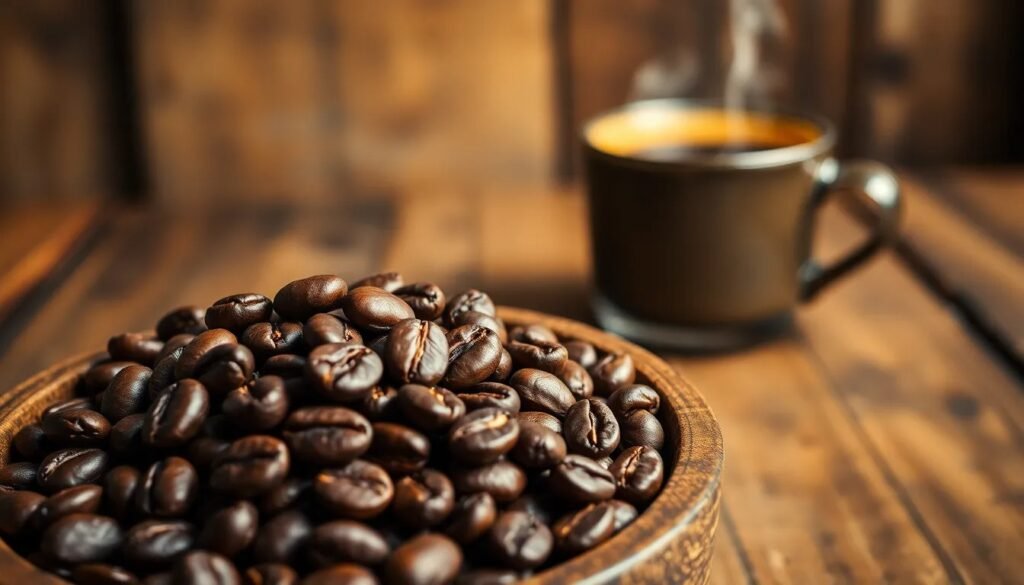
Discover how top specialty coffee brands create lasting loyalty through storytelling, sourcing, and community connection. Real tips from 6 industry experts.