4 Ways Specialty Coffee Brands Build Loyalty That Lasts
Specialty coffee brands don’t win on taste alone anymore. Customers are paying attention to where beans come from, how they’re roasted, and what kind of


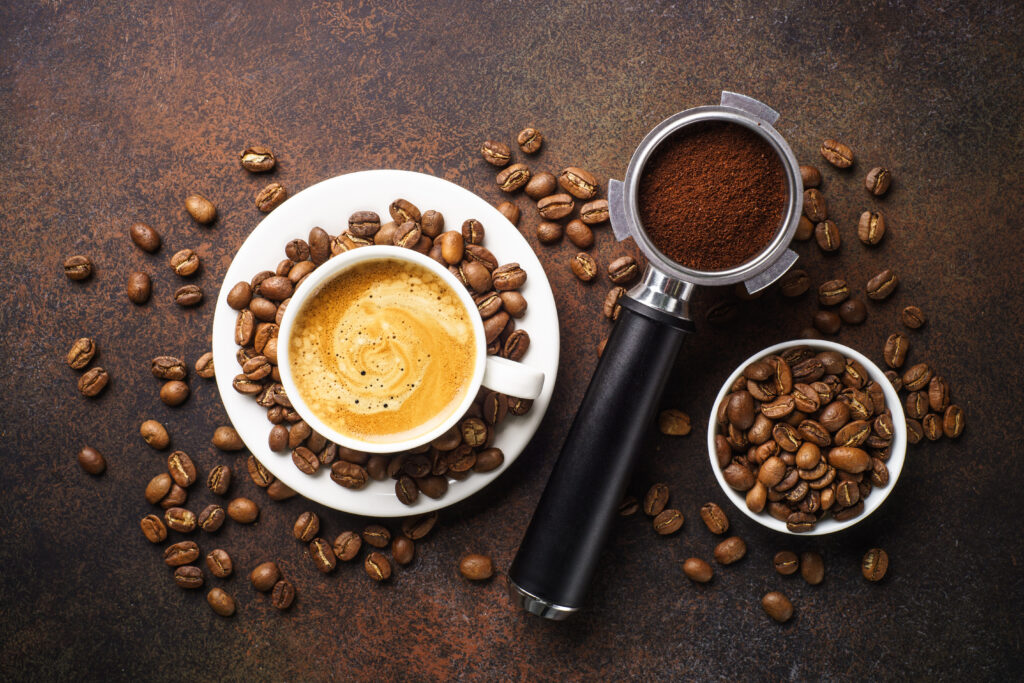
The best coffee recipes start with freshly roasted, quality beans and simple techniques—pour-overs, lattes, cold brews, and creative specialty drinks all come down to letting the coffee itself shine. No barista-level skills required.
What separates a forgettable cup from one that makes someone pause mid-sip? It’s rarely the recipe. It’s the bean and the roast. Most people load up on cream and sugar because the underlying coffee disappoints—too bitter, too flat, too stale. When that foundation is fixed, even the simplest coffee recipes deliver remarkable results.
This guide covers everything from classic hot brews to iced drinks and unexpected specialty creations, all designed to work with beans that actually taste good on their own.
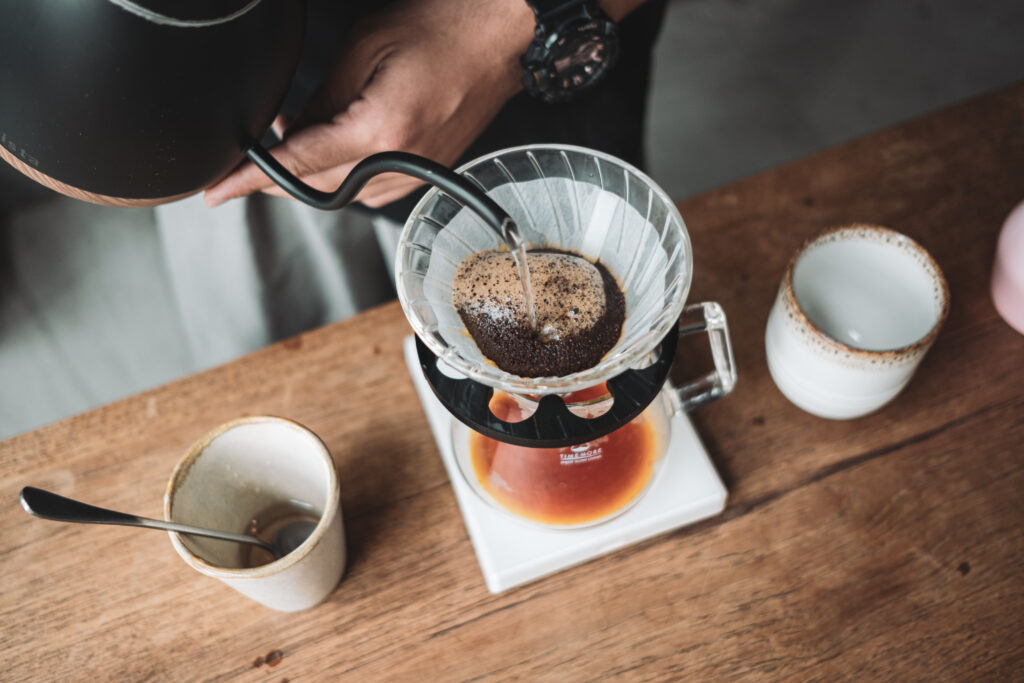
Some coffee recipes never go out of style, and for good reason. They strip things down to what matters: the bean, the water, the method. When those three elements align, there’s really no need for anything else.
The pour-over is the gold standard for anyone who wants to taste their coffee, really taste it. It’s simple in concept but rewards patience and attention.
Here’s how to nail it:
Start with freshly roasted, quality beans. A single-origin option like Ethiopian Yirgacheffe brings bright, fruity notes that shine in a pour-over. Grind to a medium-fine consistency, roughly the texture of sea salt.
Heat filtered water to about 200°F (just off a boil). Water temperature matters more than most people realize, too hot and it scalds, too cool and it under-extracts.
Bloom the grounds. Pour just enough water to saturate them and wait 30 seconds. This releases CO₂ trapped during roasting and sets the stage for even extraction.
Pour slowly in concentric circles, keeping a steady stream. Total brew time should land around 3 to 4 minutes.
The result? A clean, bright cup where the origin flavors come through clearly. No bitterness hiding behind a dark over-roast. No cream required.
That kind of obsession—years spent swapping out filters and experimenting with water sources in search of a better cup—is what led to Equipoise Coffee’s roasting approach, which prioritizes keeping flavor in the bean rather than roasting it out. For a pour-over, that difference is impossible to miss.
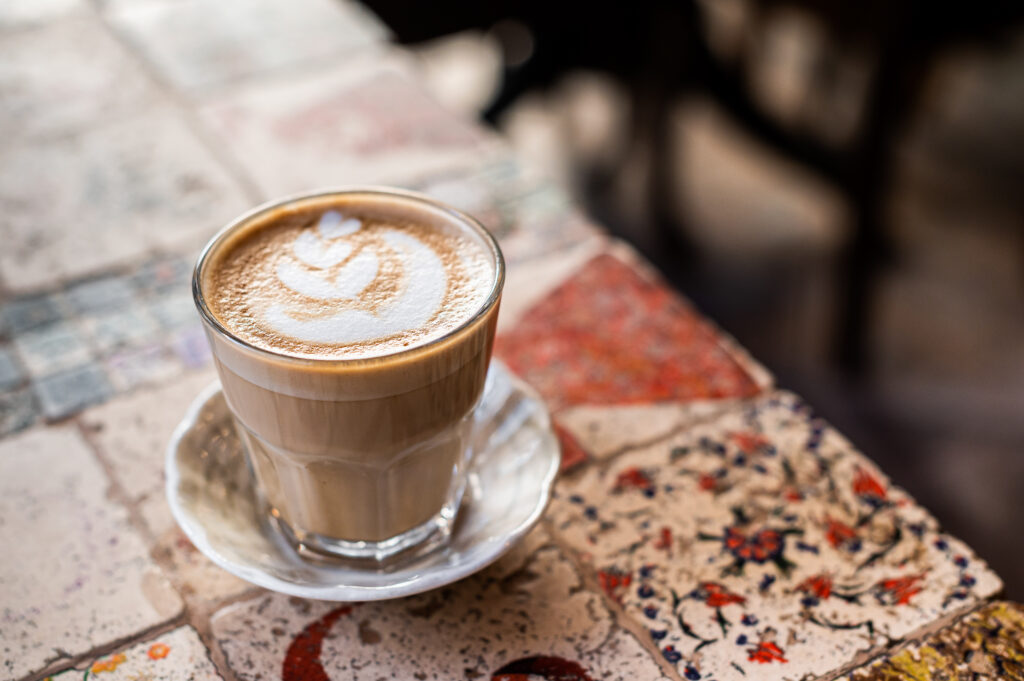
A latte is forgiving in a way that a pour-over isn’t, it blends espresso with steamed milk, so there’s a buffer. But that buffer can also become a crutch if the espresso underneath is flat or bitter.
To make a proper latte at home:
Pull a double shot of espresso using a bold, balanced blend. The Cavaliers Blend works beautifully here, smooth enough for a milk drink, rich enough to hold its own.
Steam your milk (dairy or oat both work well) until it’s velvety with microfoam, not stiff or bubbly. Aim for around 150°F.
Pour the milk over the espresso slowly, letting the foam settle on top.
Here’s the honest truth: a latte made with poorly roasted beans tastes like warm milk with a vaguely coffee-ish aftertaste. When the espresso base is actually good, smooth, full-bodied, not burnt, the whole drink transforms. That’s the kind of balance Equipoise Coffee was built around.
Cold coffee isn’t just a summer thing anymore. Plenty of people drink it year-round, and honestly, some beans express themselves differently when they’re cold-brewed or blended. Different temperatures pull different flavors from the same roast.
Cold brew is ridiculously easy to make at home, and a good batch lasts all week in the fridge. The key is time, not technique.
Coarsely grind your beans. Think breadcrumb-sized. A smooth, balanced coffee like Colombian Supremo delivers a naturally sweet, full-bodied cold brew without any harshness.
Combine grounds and cold filtered water at a ratio of roughly 1:5 (one part coffee to five parts water) for a concentrate. Adjust based on preference.
Steep in the fridge for 12 to 18 hours. Longer steeping increases strength, but going past 24 hours can introduce unwanted bitterness.
Strain through a fine mesh filter or cheesecloth.
To serve, dilute the concentrate with water, milk, or a milk alternative over ice. The beauty of cold brew is its smoothness, the slow extraction pulls sweetness and body while leaving much of the acidity behind. When the starting beans are freshly roasted and not over-roasted to begin with, the result is something most people don’t expect: coffee that’s genuinely enjoyable black.
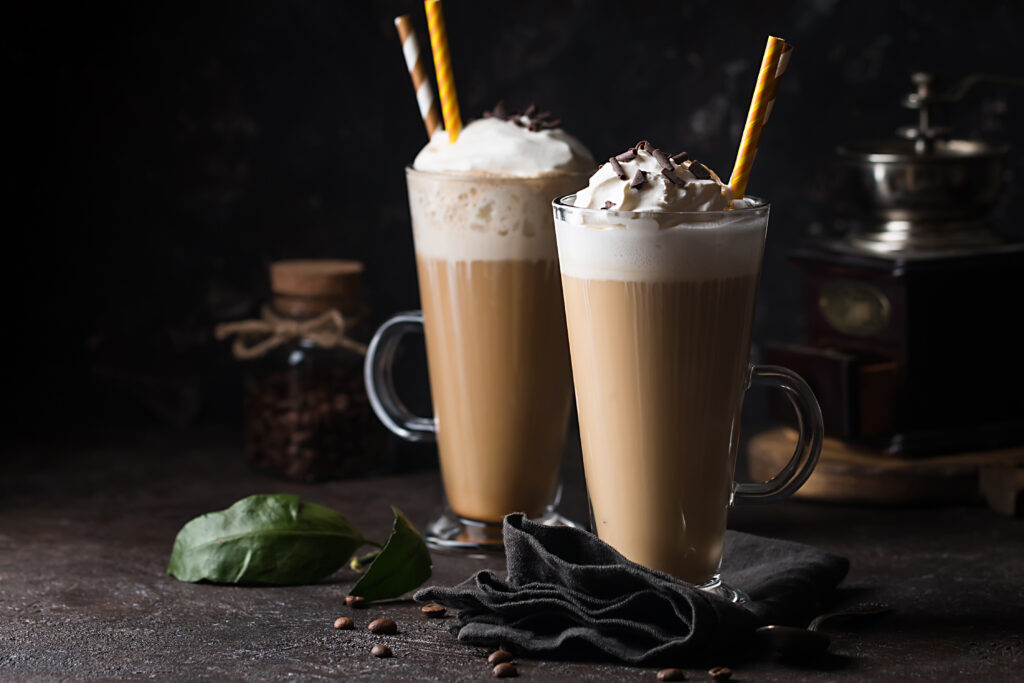
This one’s a treat, no getting around it. But there’s a big difference between a blended mocha made with quality espresso and one built on sugary instant coffee.
Brew a strong shot of espresso or a small, concentrated pour-over and let it cool.
In a blender, combine the cooled coffee with a cup of ice, a tablespoon of unsweetened cocoa powder, a splash of milk, and a drizzle of honey or maple syrup.
Blend until smooth.
The cocoa and honey add depth without overwhelming the coffee, especially if the base is something with character, like Mexican Oaxaca, which carries chocolate and nutty notes on its own. Less sugar, more actual flavor. That’s the move.
Once the classics feel comfortable, it’s worth branching out. These coffee recipes are a little unexpected, but they’re a great way to experience beans in a new light.
Honey-Cinnamon Coffee
Brew a standard cup using a method of choice, drip, French press, whatever feels right. While still hot, stir in a teaspoon of raw honey and a pinch of cinnamon. The warmth of cinnamon pairs surprisingly well with beans that already carry sweet, honeyed notes. Mexican La Laja Honey is almost tailor-made for this recipe, given its natural sweetness from honey processing.
Coffee Tonic
This one sounds odd until someone tries it. Pour a shot of espresso over ice-cold tonic water with a squeeze of lemon. The bitterness of the tonic and the brightness of the espresso play off each other in a way that’s genuinely refreshing. It works best with a light, fruity roast, Ethiopian Yirgacheffe’s citrus notes make it a natural fit.
Cardamom Cold Brew
Add two or three lightly crushed cardamom pods to the cold brew steeping process. After 12 to 18 hours, strain as usual. The cardamom adds a warm, aromatic quality that transforms a simple cold brew into something more layered. It’s a nod to Middle Eastern coffee traditions, and it works beautifully with a clean, medium roast.
A word of honest advice: not every experiment will be a winner. The coffee tonic, for instance, isn’t for everyone. But that’s part of the fun, finding what resonates with your own palate. The common thread in all these recipes is that they work best when the coffee itself brings real flavor to the table. When beans are roasted with care in small batches, they don’t need much help.
Recipes matter, but so do habits. A few small adjustments can make a noticeable difference regardless of what someone’s brewing.
Buy freshly roasted coffee, and use it within a few weeks. Coffee starts losing its vibrancy pretty quickly after roasting. That bag sitting in the pantry for three months? It’s not going to deliver the same experience as beans roasted days ago. This is one of the biggest reasons small-batch roasters like Equipoise Coffee exist, freshness isn’t a marketing term, it’s the whole point.
Grind right before brewing. Pre-ground coffee is convenient, but it oxidizes fast. Even a basic burr grinder makes a real difference. Match the grind size to the method: fine for espresso, medium for drip, coarse for cold brew and French press.
Use good water. Coffee is mostly water, so if tap water tastes off, the coffee will too. Filtered water is an easy fix that pays off immediately.
Don’t overlook ratios. A kitchen scale takes the guesswork out. A general starting point is about 1 gram of coffee per 16 grams of water for drip methods. Adjust from there based on taste.
Taste it black first. This might be the most important tip. Before adding milk or sweetener, take a sip. If the coffee’s good, really good, it might not need anything. Equipoise Coffee was built around exactly this idea: that most people love the aroma of coffee but reach for cream and sugar because the taste disappoints. The fix isn’t in the add-ons. It’s in the bean and the roast.
And one more thing, don’t be afraid to explore the stories behind your coffee. Knowing where beans come from, how they were processed, and who roasted them adds a layer of appreciation that changes the drinking experience.
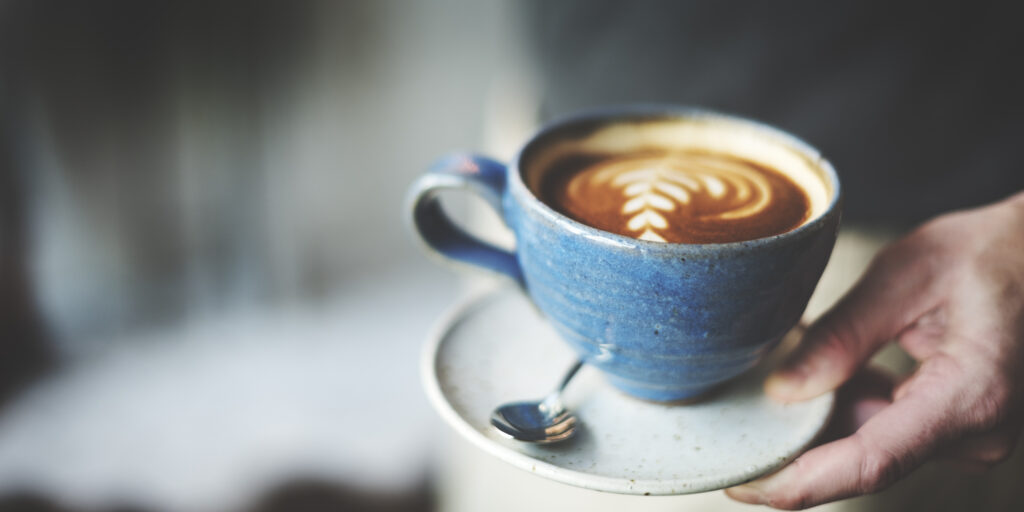
Good coffee recipes don’t require barista training or expensive equipment. They require good coffee. That’s the throughline in everything above, from a simple pour-over to a cardamom cold brew, the bean and the roast do the heavy lifting.
For anyone tired of bitter, lifeless cups dressed up with cream and sugar, the shift starts at the source. Small-batch, freshly roasted beans from roasters who care about balance, like the team at Equipoise Coffee, make every recipe in this guide taste the way coffee is supposed to taste.
So pick a recipe. Grind some fresh beans. And let the coffee speak for itself.
Great coffee recipes start with freshly roasted, high-quality beans and the right roast level. Instead of masking flavor with cream and sugar, using small-batch roasted coffee that preserves the bean’s natural character lets the true taste shine through in every recipe, from pour-overs to cold brews.
Coarsely grind fresh beans and combine them with cold filtered water at a 1:5 ratio. Steep in the fridge for 12 to 18 hours, then strain through a fine mesh filter. Dilute the concentrate with water, milk, or a milk alternative over ice for a smooth, naturally sweet cup.
Bitterness usually comes from over-roasted or stale beans, water that’s too hot, or over-extraction. Much commercial coffee uses low-quality beans hidden by over-roasting until oils coat the surface and turn rancid. Switching to freshly roasted, properly balanced beans eliminates most bitterness at the source.
Grind size should match your brewing method: fine for espresso, medium-fine (like sea salt) for pour-overs, medium for drip, and coarse (breadcrumb-sized) for cold brew and French press. Always grind right before brewing to prevent oxidation and preserve maximum flavor.
Absolutely. Recipes like honey-cinnamon coffee, coffee tonic, and cardamom cold brew require no special equipment beyond a basic brewing setup and a few pantry ingredients. The key is starting with quality, freshly roasted beans so the coffee itself brings real flavor without relying on heavy sweeteners or add-ons.
Freshly roasted coffee is best used within a few weeks of the roast date. After that, beans lose vibrancy and flavor quickly. This is why small-batch roasters like Equipoise Coffee prioritize freshness — it’s the single biggest factor in achieving a smooth, flavorful cup at home.
The sweet spot is between 195°F and 205°F (90–96°C). Water that’s too hot over-extracts the grounds and creates bitterness, while water that’s too cool under-extracts, leaving coffee weak and sour. If you don’t have a thermometer, let boiling water rest for 30 seconds before pouring.
A good starting ratio is 1 to 2 tablespoons of ground coffee per 6 ounces of water, depending on your strength preference. For more precision, use a kitchen scale and aim for a 1:15 to 1:17 coffee-to-water ratio by weight for balanced extraction and consistent results every time.
Yes — water quality matters more than most people realize. Hard water with high mineral content can mute flavors, while distilled water tastes flat. Filtered water with a balanced mineral profile brings out the best in freshly roasted beans, highlighting their natural sweetness and complexity.
Light roasts retain more of the bean’s origin flavors — fruity, floral, or citrus notes — and work well in pour-overs and cold brews. Dark roasts offer bolder, smokier flavors suited for espresso-based drinks. Matching roast level to your recipe lets each coffee’s character shine.
Brew your coffee double-strength or make coffee ice cubes to prevent dilution as they melt. Another option is cold brew concentrate, which is naturally stronger and smoother. Starting with quality beans ensures the flavor holds up even when chilled and diluted with ice or milk.
Specialty coffee brands don’t win on taste alone anymore. Customers are paying attention to where beans come from, how they’re roasted, and what kind of
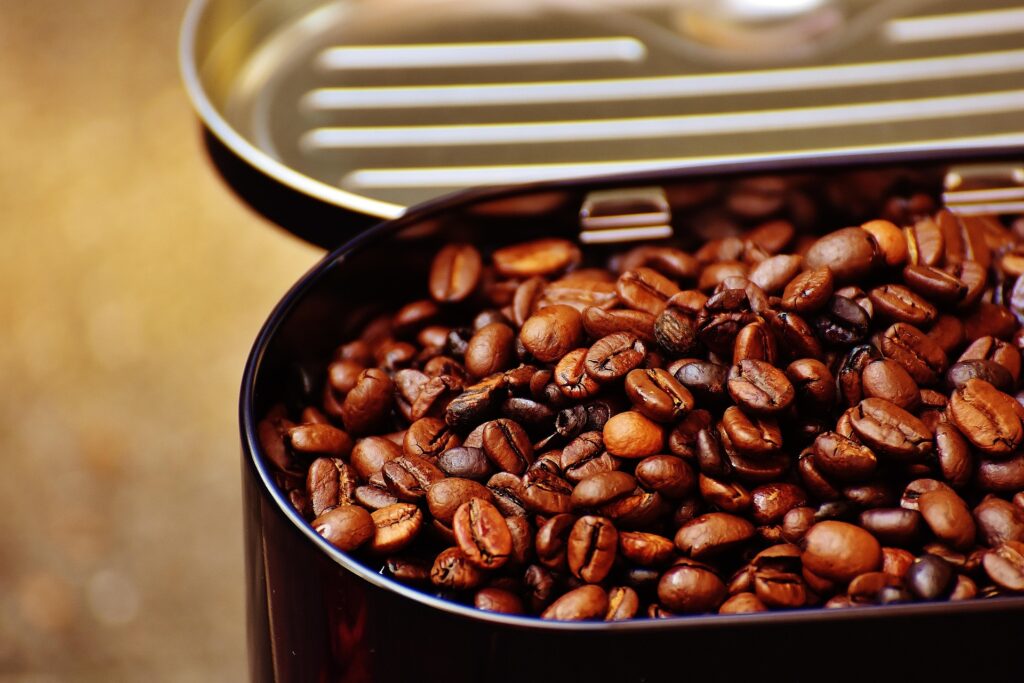
Water processed decaf coffee promises rich taste without chemicals, but what makes it stand out among other caffeine-free options?
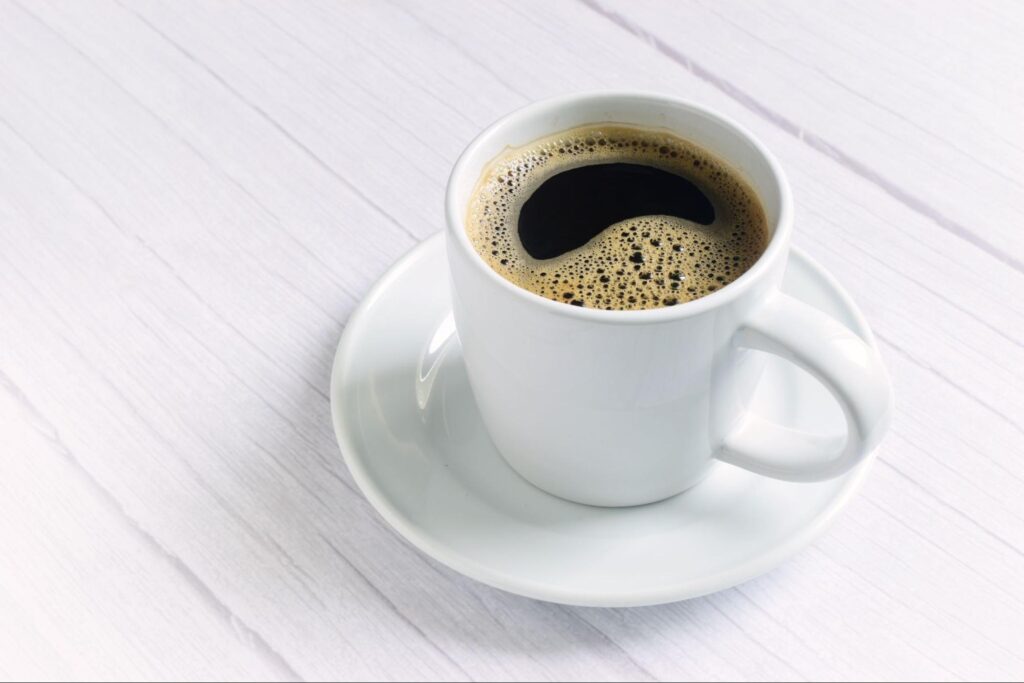
Community loyalty in retail and hospitality doesn’t happen by accident. It’s built on purpose, inside physical spaces that give people something more than speed or

Growing a specialty brand is rarely just about selling more. Expansion brings real tension between speed, reach, and the standards that made the brand valuable
Craft-focused small businesses have always relied on care, precision, and sourcing to stand out. What’s changing now is how those values are shown, not just
How can brands create a more balanced and memorable customer experience by blending artisanal product quality with thoughtful everyday rituals that keep people coming back?

Independent coffee shops have always been about more than caffeine—they’re hubs of creativity, connection, and care. As café culture continues to evolve, new trends are
Introduction Independent cafes win when they feel like the neighborhood’s living room and operate with the discipline of a great kitchen. Below is a quick
Discover how top specialty coffee brands create lasting loyalty through storytelling, sourcing, and community connection. Real tips from 6 industry experts.